

Reviewed · DUBLIN WALKING TOURS
Street Art Walking Tour
Dublin hides street art in plain sight. On this 2-hour guided walking tour, you track the city’s graffiti and sticker culture in the centre, with someone who knows what you are actually looking at and why it matters. You will stop for photos, hear the backstories, and finish seeing Dublin in a sharper, more human way.
I like that you get 30-plus pieces of public street art in a short time, from murals to stickers and paste-ups, without wasting hours hunting. I also like that the guides bring real street-scene perspective, sometimes including people who do street art or graffiti themselves, plus tips for what to explore next. One drawback to plan for: this tour is not wheelchair accessible, since parts of the route are not suitable for everyone.
Key things to know before you go
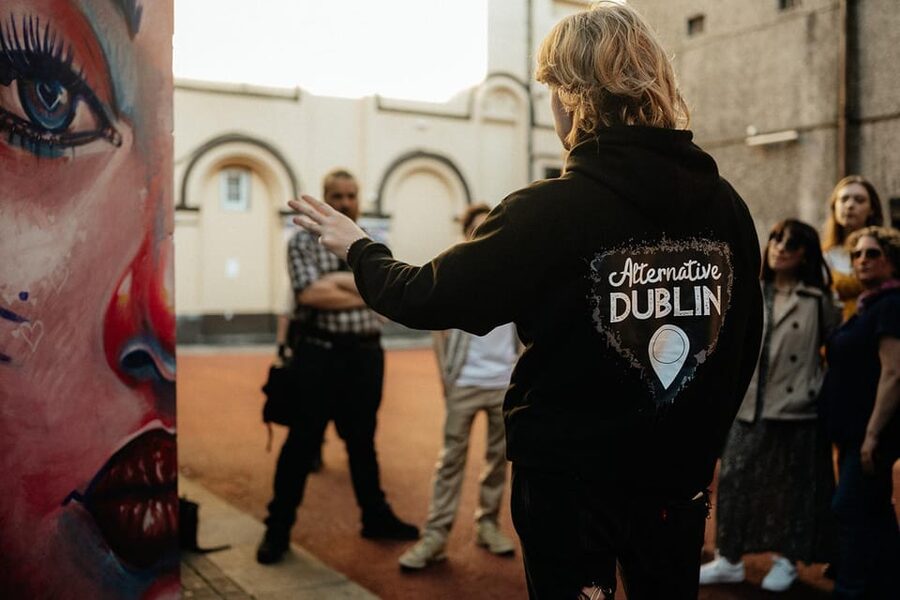
- 30-plus artworks in one walk, with photo stops built in
- Street-scene guides who can explain the who, what, and why
- You learn the types of street art, from murals to stickers and paste-ups
- Hidden, lesser-known spots you might walk past without a guide
- A final gallery moment to support artists with prints or commissions
- Rain or shine, the tour keeps moving, so bring an umbrella
Street Art Dublin in 2 Hours: why this walk works
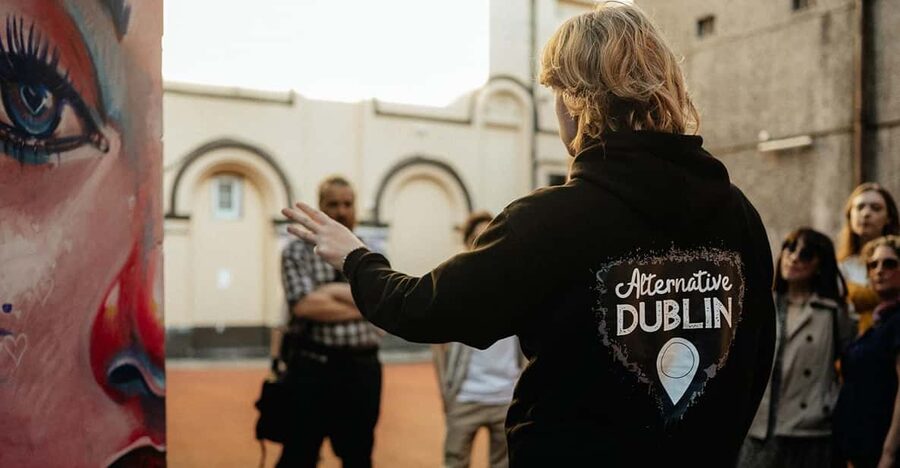
A good street art tour does two things. It helps you notice details fast, and it gives you context so you do not just see walls, you understand them. This one is built for that exact goal, with a 2-hour timeline that keeps the pace moving and the focus tight.
The biggest value is that you get a guided route that points you toward street art across the city centre, not just the most obvious tourist walls. You also get a mix of street art styles, including murals, graffiti, stickers, and paste-ups, so the tour feels like a living snapshot of what Dubliners are looking at right now.
For me, the sweet spot is that the tour is short enough to fit on a busy trip, but deep enough that you leave with a new way to see the city.
A few more Dublin tours and experiences worth a look

Meeting at The Grand Social by Ha’penny Bridge
Your tour starts outside The Grand Social on Liffey Street. You will meet in the public space by the trees beside the Ha’penny Bridge, where the guide is easy to find before you head off.
This is a smart starting point because you are already in the centre of Dublin, and you can quickly shift your brain from sightseeing mode to street art mode. In the first moments, the guide typically sets expectations for how the walk will work, what you should keep an eye out for, and how to take photos without slowing the group too much.
If you like a tour that gets you oriented fast, this beginning helps. You are not waiting around, and you are not sent off into nowhere.
Yamamori Tengu: your first photo stop and quick orientation
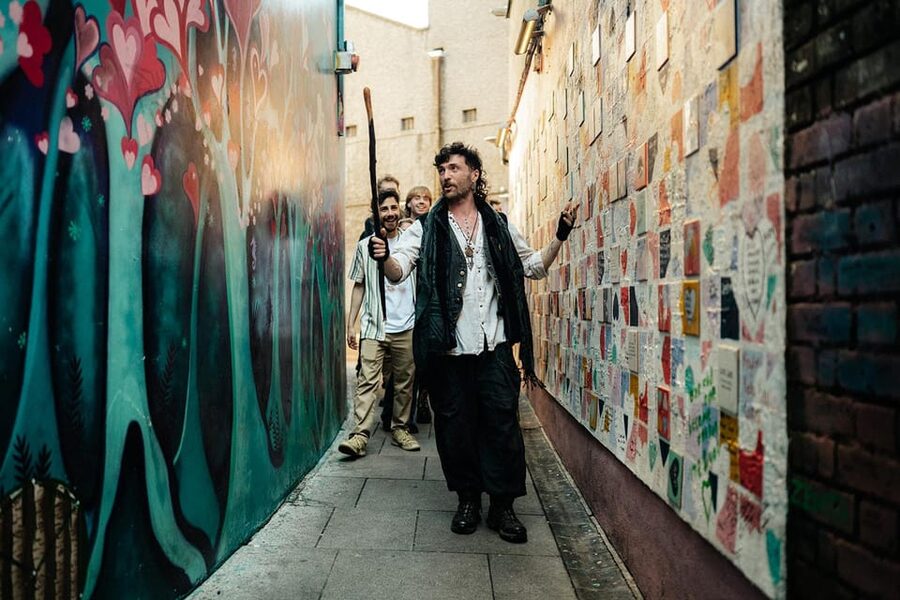
Yamamori Tengu is your first stop, with a guided look and a photo moment. Expect the guide to help you spot the practical stuff right away: tags, layered posters, stencil work, and the different textures that street artists use to make their pieces last.
This early stop matters because it sets your viewing skills for the rest of the walk. After a good first explanation, you start noticing patterns you would miss on your own, like how certain styles are used for quick statements versus longer, mural-style work.
At about 15 minutes, it is not rushed. It is just enough time to get the hang of what the guide is pointing out and then move on to the next area while the idea is fresh.
Abbey Court Hostel: why hostels and side streets matter
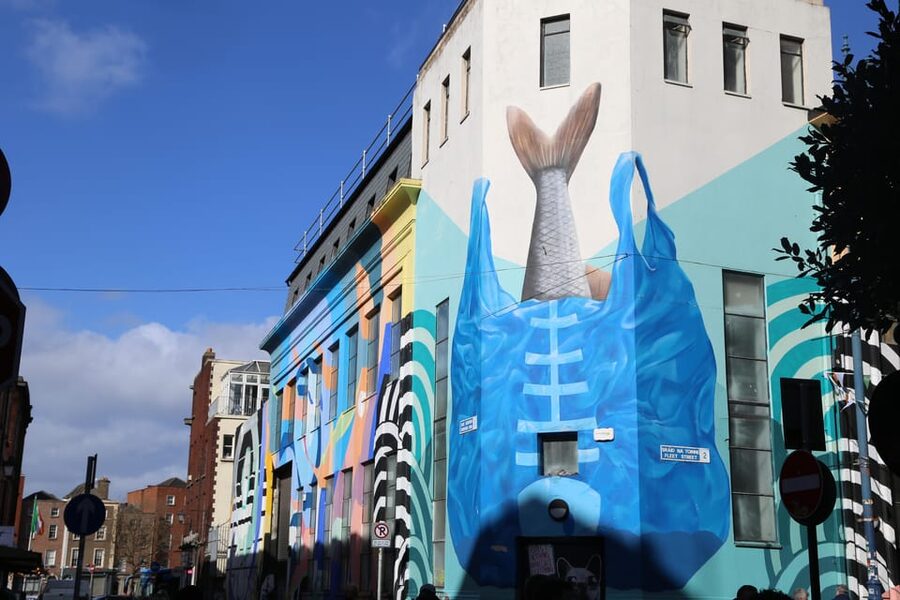
Next you head to Abbey Court Hostel for another photo stop and guided sightseeing. This part of the walk often has a different feel than the main streets, and that is exactly the point.
Street art thrives where people actually pass, hang out, and wait. Hostels and nearby backstreets tend to show you a more everyday Dublin, including artwork that is closer to what pedestrians see day to day. The guide’s explanations help you connect the dots between style and setting, so you understand why certain kinds of street art appear in certain places.
At roughly 20 minutes, you get time to slow down for photos and to listen without constantly checking the clock. If you are the type who likes to learn why art shows up where it does, this stop is a key warm-up.
The Icon Factory and The Icon Walk: spotting the street art logic
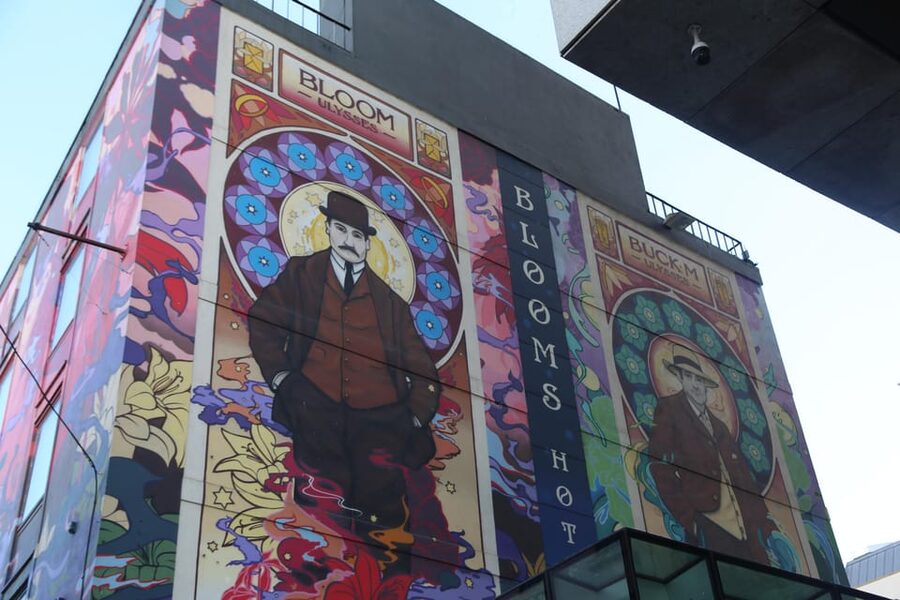
Then you move to The Icon Factory and The Icon Walk, with a longer guided photo stop and sightseeing segment. This is where the tour starts to feel like more than a list of pretty murals. You begin to understand street art as a language.
You will likely hear how different forms work together, how graffiti pieces can sit next to stickers and paste-ups, and how artists build meaning through layers, placement, and style. The Icon Factory area also gives you a chance to compare the look of formal public-facing art spaces with the raw, immediate energy of street culture.
Plan to take your camera out, but also plan to listen. The best moments are when the guide points out small choices that change the whole piece, like lettering style, color decisions, or how a tag frames the surrounding wall.






Temple Bar and Blooms Hotel: underground stories in the middle of it all
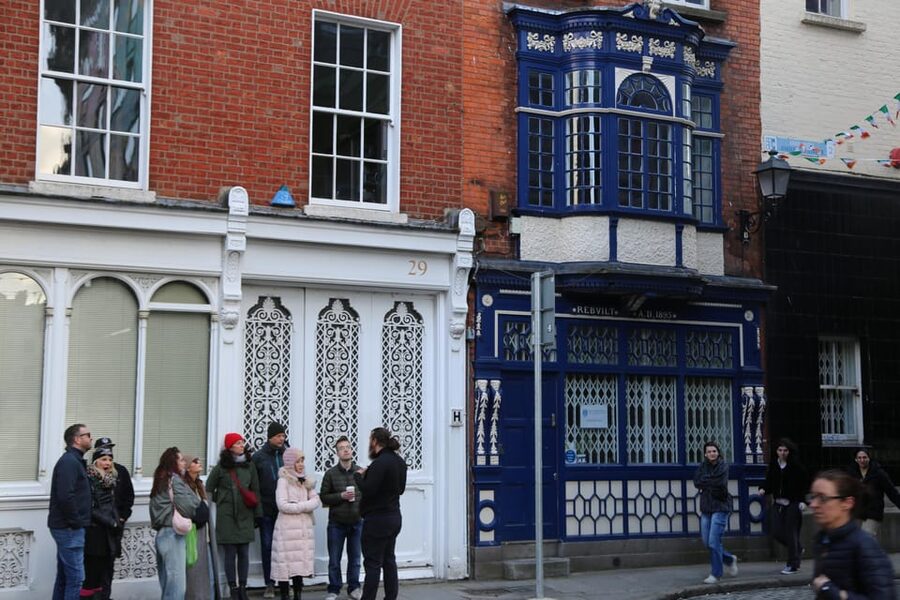
Temple Bar is next, followed by a stop at Blooms Hotel. These are both central Dublin areas, and that contrast is one of the tour’s strengths.
You might think street art belongs in tucked-away corners only. This walk shows you how Dublin’s street-scene culture shows up even in areas that are known for crowds and nightlife. The guide’s insider style of storytelling helps you read what you see without assuming it is just random decoration.
Temple Bar is around 25 minutes on the schedule, and Blooms Hotel is about 15 minutes. That timing works because it lets you absorb the vibe and then shift your attention back to details, not just the obvious foot-traffic energy.
A practical tip: keep an eye on light and angles for photos around here. Central streets can be bright and busy, so your guide’s pacing helps you catch workable shots without turning the walk into a traffic jam.
Project Arts Centre: where street art meets real creative spaces
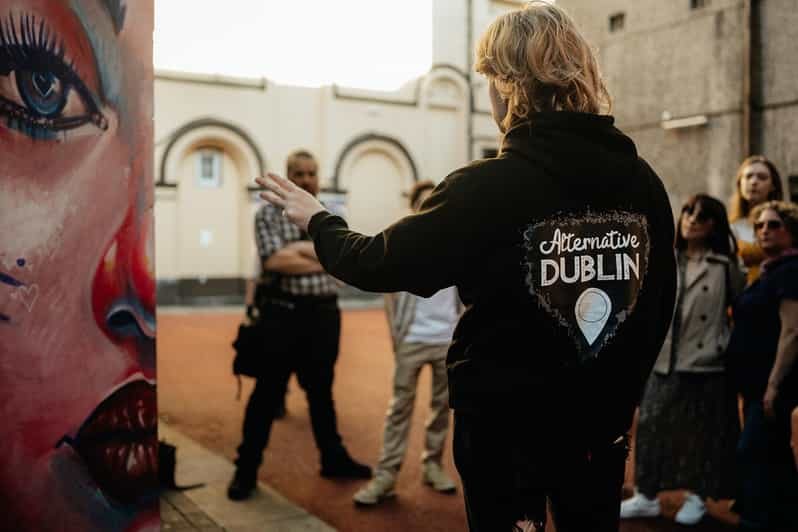
Project Arts Centre comes next, with a shorter stop of about 10 minutes. Even with the shorter time, this is a useful moment because it helps connect street art to the larger creative ecosystem around the city.
The point is not that you are touring a museum. It is that you are seeing how public art fits into Dublin’s broader arts life, including community energy and local support. Your guide’s comments tend to tie the street work back to what is going on in Dublin’s art scene today, including the underground culture that keeps evolving.
Because the stop is brief, come prepared to look actively. You will get a guided moment and photo time, but the value is in what the guide points out and how quickly you can apply it to what you see around you.
Crampton Court: the close and the chance to support artists
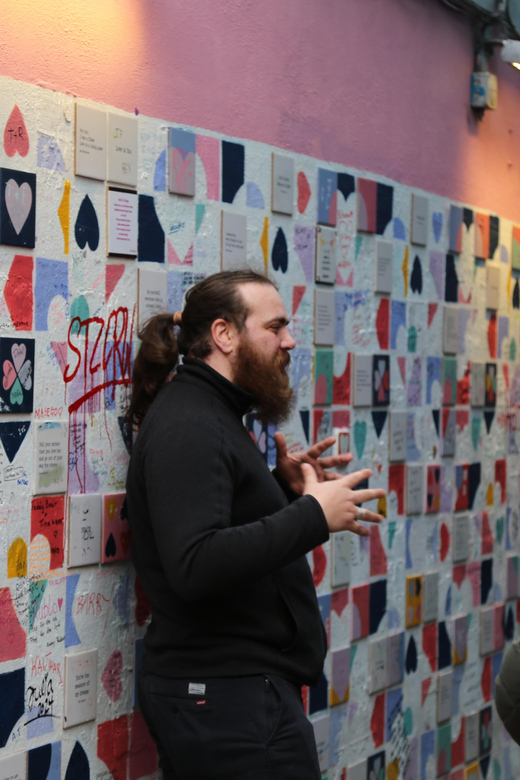
Crampton Court is your next stop and also where the walk finishes. It is another photo stop, with about 10 minutes for guided sightseeing.
This is the kind of place where street art often feels more concentrated and more personal, because the setting can pull you in closer. It is also a logical place to end the tour emotionally, since you are moving from learning mode into making choices about what comes next.
One standout feature here is the gallery connection. After the walk, you are brought to a gallery area linked to the artists featured on the tour, with the option to support them by buying prints, paintings, or even commissioning work. You also receive a link to each artist after the tour, which makes it easier to keep exploring beyond the walk.
Even if you do not plan to buy art that day, this ending is what turns street art from a quick photo hobby into a real connection with local creatives.
What you learn about Dublin’s street art scene today
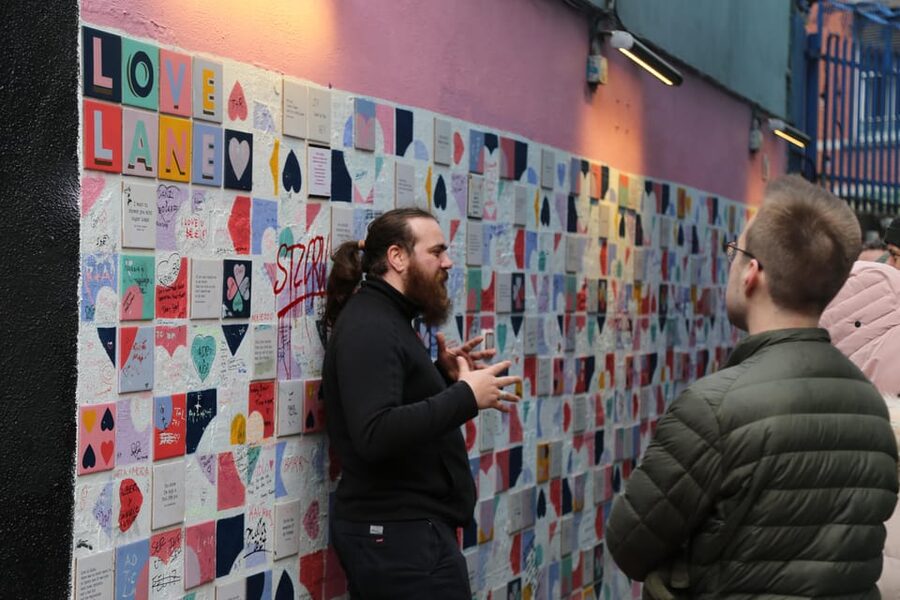
The tour’s promise is street art plus underground culture, and the learning is not just about naming styles. The guide helps you understand the scene as something active and current, not just something frozen in old photos.
You learn about multiple types of street art: murals, graffiti, stickers, and paste-ups, and you start to see the differences in how each form communicates. Stickers and paste-ups can act like quick signals, while murals can carry longer storytelling weight. Graffiti pieces can show skill and attitude at the same time, and tags can function like identity markers.
The tour is also built around insider explanations, including the idea that some guides do street art or graffiti in their spare time. That matters, because you usually get less theory and more practical insight on what makes a piece stand out to insiders, and what you should pay attention to from the street.
If you want Dublin to feel like a living city instead of just a list of sights, this kind of interpretation is the point.
Timing, pace, and how to keep the photos coming
This walk runs about 2 hours, and the route is structured into repeated photo stops plus guided explanation. That rhythm is great because it keeps you from constantly rushing or constantly stopping. You get short bursts of attention, then movement, then another chance to slow down and frame shots.
The tour is not advertised as wheelchair-friendly, so you should be comfortable walking through a city centre route on foot. If you are sensitive to rain, you still have options, because the tour proceeds even if it rains. Bring an umbrella or rain jacket, and keep your camera handling simple.
For photos, I recommend you do two things. First, pick one or two pieces to get your best shots of, then grab quick shots of the rest. Second, keep your focus on texture and layers, not just the full wall, since street art often has details that only pop up when you get close.
Your guide can also point out where to stand for better views, and that is a big quality-of-life upgrade.
Price and value: why $17 is a fair deal
At $17 per person for a 2-hour guided walk, this is priced like a budget-friendly activity that still gives you real substance. You are paying for more than walking, you are paying for interpretation.
What makes the value hold up is the mix of things included: you get a live English guide, the chance to see 30-plus pieces of public street art, and guide-recommendations for other places to visit in Dublin during your stay. On top of that, you get a gallery connection after the walk, plus artist links so you can keep learning what you saw.
If you only wanted a quick photo stop, you could do that on your own for free. But if you want the context that makes the art click, the guided price makes sense.
And if tips are part of your travel style, this tour explicitly keeps tips with the guides, which can be a nice way to support the people who share the scene.
Should you book the Street Art Walking Tour in Dublin?
Book it if you want Dublin to look different after two hours. This is a strong pick for first-timers who like to see local culture through street-level art, and for anyone who thinks graffiti and paste-ups are more interesting when you know what you are looking at.
Skip it if mobility access is a deal-breaker for you, since parts of the route are not accessible and it is not listed as wheelchair-friendly. Also, if you dislike walking in rain, plan for a jacket or umbrella, because the tour still runs.
If you like street art and want a practical, guided route with insider backstory and a real way to support artists at the end, this is one of the better value choices in the Dublin street art world.
FAQ
What is the duration of the Street Art Walking Tour?
The tour runs for about 2 hours. Starting times vary, so you should check availability for the times offered on your date.
What happens if it rains?
The tour proceeds even if it is raining. It is a good idea to bring an umbrella or a rain jacket just in case.
Is this walking tour wheelchair accessible?
No. The tour is not suitable for wheelchair users, and parts of the route are not accessible for people with mobility impairments.
How far in advance do I need to cancel for a refund?
You need to cancel at least 24 hours in advance for a full refund.
Can I swap my ticket to someone else if I cannot attend?
Yes, but you need to give at least 5 days notice for a ticket transfer. This is because the business relies on small groups to run the tours.
What language is the tour guide?
The tour is offered with a live guide in English.
What should I know about tipping?
If you enjoyed the tour, you can tip your guide. Tips are kept by the guides, and that helps support the artists and creatives involved.
More Street Art in Dublin
More Tours in Dublin


More Tour Reviews in Dublin


Not for you? Here's more nearby things to do in Dublin we have reviewed


Dublin Walking Tours, compared.
 ★ 5.0Dublin Highlights and Hidden Gems Guided Walking TourFrom $296,020 reviews
 ★ 4.9Highlights and Hidden Gems Walking TourFrom $272,140 reviews
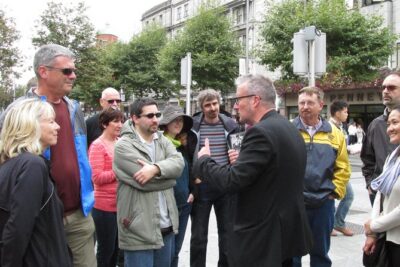 ★ 5.01916 Rebellion Walking TourFrom $271,605 reviews
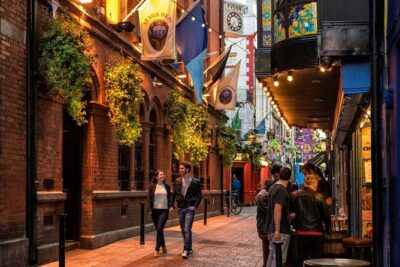 ★ 5.090 Minute Dublin Walking tour and Sightseeing tipsFrom $21916 reviews
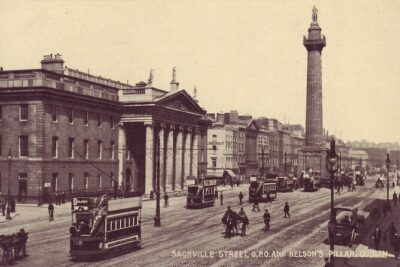 ★ 5.02-Hour Historical Walking Tour from DublinFrom $22875 reviews
 ★ 4.7Historical 2-Hour Guided Walking Tour of DublinFrom $22865 reviews
 ★ 5.0Dublin Traditional Irish 3 Course Meal Walking Tour with LocalFrom $107755 reviews
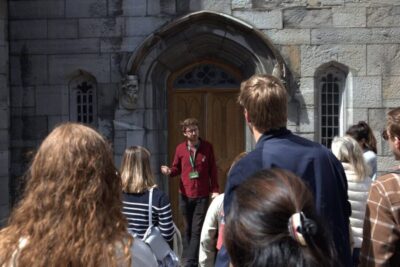 ★ 4.9Mythology, Folklore and Legends Walking TourFrom $27703 reviews
Browse the lists this tour appears in