
Reviewed · DUBLIN WALKING TOURS
Historical Walking Tour of Dublin
Dublin tells its 1916 story on your feet. This easy, small-group historical walk connects major 1916 Easter Rising sites with the feel of central Dublin, starting at The Spire and finishing right by the Ha’penny Bridge area. I love that the whole route is simple to follow, with clear start and end points that keep you from wasting time figuring out where to go.
Two things I especially like are the guide-led storytelling and the pace that lets you absorb details at each stop. The one thing to watch is that admission tickets are not included, so you’ll want extra cash for entries like the Book of Kells and any paid areas at Trinity or Dublin Castle.
You also get a mobile ticket in English, and the tour runs about 1 hour 45 minutes. It’s a straightforward way to see the core of Dublin’s history without turning your day into a spreadsheet of bus times and ticket lines.
Key things to know before you walk
- Start point is simple: Meet by The Spire, O’Connell Street Upper.
- Finish is iconic: The walk ends near Ha’penny Bridge Inn at the river.
- 1916 comes first: The tour opens at the An Post General Post Office (GPO), the rebellion headquarters.
- Trinity College stop includes Book of Kells access needs: You’ll be set up to see the Book of Kells in the Long Room, but tickets cost extra.
- Small-group feel: Maximum group size is 15, and it can feel close to a private walk on slower days.
- Bring extra money for admissions: The main highlights at Trinity and GPO type stops aren’t automatically included.
Starting at The Spire, then walking into the 1916 story
The tour begins at The Spire on O’Connell Street Upper at 1:00 pm. That’s a smart choice. It’s central, recognizable, and easy to orient yourself, even if Dublin is new to you. You also end in a similarly easy spot near the river, which makes it simple to keep your afternoon going.
Right away, you get the framing: this is not just a “look at buildings” walk. It’s a connected story of rebellion, politics, and Dublin’s shifting identity, with each location explaining why it mattered. You’ll hear the context in plain language, with enough detail to make the names and dates feel real, not like trivia.
Because the group is capped at 15, you get more conversation than you would on those bigger coach-style city tours. In practice, that matters. It means you can ask questions, get clarifications, and actually track the story as you move.
You can also read our reviews of more historical tours in Dublin



Stop 1: An Post General Post Office, and why the GPO matters
Your first stop is the An Post General Post Office (GPO), and it’s the perfect opener. The GPO was the central headquarters location for the 1916 Easter Rising, when Irish republicans pushed for independence from British rule.
Here’s what makes this stop more than a photo moment. You learn how the rebellion used key locations across the city, and why this building became so symbolic. The tour explains the leadership roles of major figures tied to the uprising and how the rebels proclaimed the Irish Republic from the GPO area. You also get the other side of the story, including why the uprising failed, and how that failure did not erase its long-term impact.
Important practical note: this stop is listed as about 10 minutes, and an admission ticket is not included. So while you’ll get the historical orientation, don’t assume you can simply walk into every paid area and expect it to be covered.
Stop 2: Trinity College Dublin and the Book of Kells in the Long Room
Next, you stop at Trinity College Dublin area near College Green. Even if you’re not stepping inside every paid space, this is a meaningful shift from political rebellion sites to Ireland’s learning and culture hub.
Trinity College was founded in 1592, and the campus is built like a time capsule of Irish academic life. You’ll also get pointed toward one of the biggest draws in Dublin: the Book of Kells, housed in the Long Room in the Old Library.
This is where you should manage your expectations. The tour includes time to check out the Trinity story and the Book of Kells highlight, but admission tickets are not included. That means you should expect to pay separately if you want the full Book of Kells viewing experience.
Another good thing about this stop is pacing. It’s not a long campus wandering session. It’s a guided, “here’s what to notice and why it matters” kind of stop. That helps you see Trinity in a way that connects to the broader theme of national identity, not just architecture and postcards.
Stop 3: Dublin Castle and the city’s 1916 connections
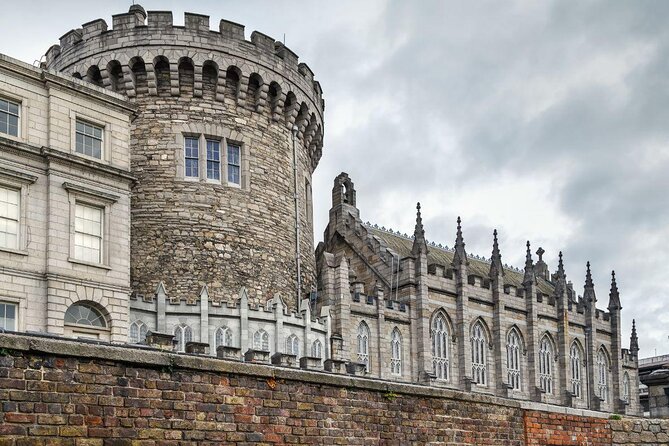
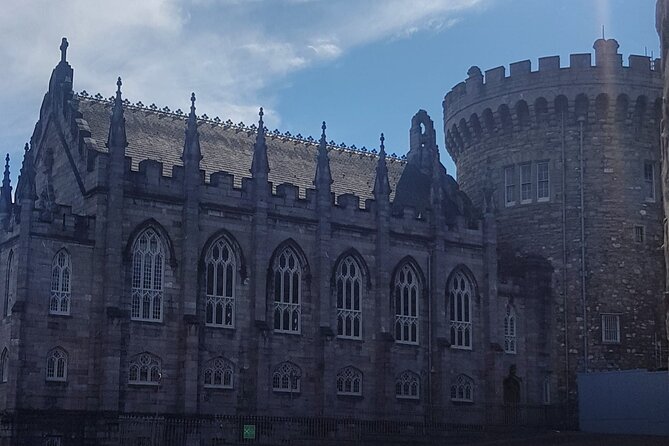
The final major history stop is Dublin Castle. This is where the tour links city power and governance with the uprising. You’ll get explanations about the castle’s historical role and how places like this intersected with the 1916 rebellion.
The castle stop is also about 10 minutes, and again, admission tickets are not included. So treat this as a guided context stop. You’ll learn what to look for and how to interpret the significance of the buildings you see, even if not everything inside is part of the included ticket package.
I like how the tour ends on something that still feels “alive” in the modern city. After GPO and Trinity, Dublin Castle brings you back to the sense that history wasn’t locked in the past. It’s tied to the way Dublin functions and how power has moved through time.
Why the small-group format really works in central Dublin
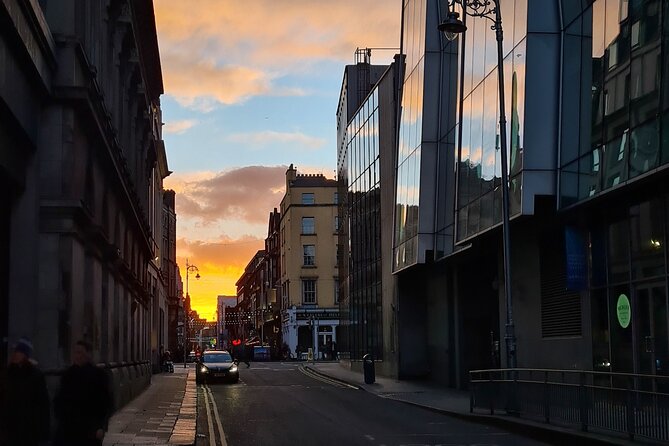
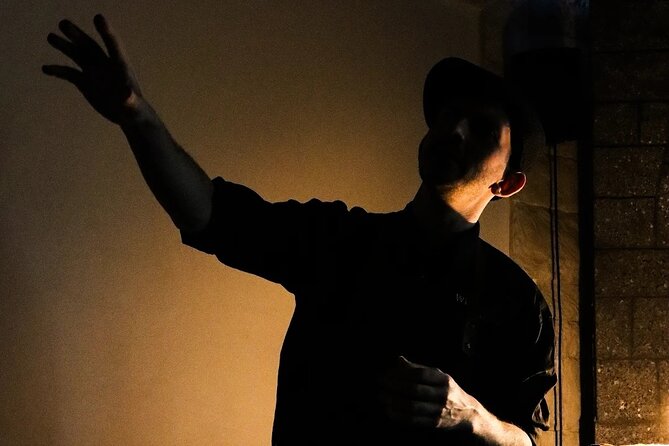
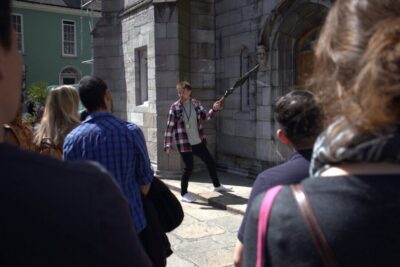
This is the kind of walk that benefits from having a guide who tells the story clearly and with some humor. A recurring theme in the feedback is that the guide experience can be genuinely memorable, not dry or robotic.
One guide name you’ll see mentioned often is Donal. People describe him as engaging, funny, and willing to answer questions. Some reviews also note he’ll share personal opinions on pubs and places to eat, plus he can fold in extra cultural moments like poetry or off-route stops depending on the group. That can turn a straightforward 1 hour 45 minute walk into a trip you remember when you get back to your hotel.
You can also get a near-private feel because the max is 15. On lighter travel days, it can even end up feeling like just your group. If you want a more personal experience than a big group with a headset, this format makes sense.
Just keep one practical thought in mind: because the tour is compact and timed, the guide has to move. If you’re the type who loves stopping every few minutes to read every plaque, you might want to plan a longer self-guided stroll later using what you learned here.




Timing, pace, and what to bring (so you enjoy it)
The tour runs about 1 hour 45 minutes. With three main stops, each one is fairly short. That’s good news for most people. It keeps the walk manageable and helps you fit the tour into an afternoon without it swallowing your whole day.
Still, it’s Dublin, which means weather can shift quickly. The experience uses a “good weather required” setup. If weather is poor, you’ll be offered an alternate date or a full refund (details are covered more in the FAQ).
What I’d bring:
- Comfortable walking shoes for central streets and sidewalks
- A small amount of cash or a card for extra admission tickets
- A water bottle, especially if you’re walking in warmer months
- Phone with battery, since you’ll have a mobile ticket
Also, the tour is offered in English, and most travelers can participate. If you have specific needs, it’s best to check beforehand, but the tour is designed for regular walking ability rather than specialized hiking routes.
Value: what you pay, and what costs extra
The price is $32.44 per person, and that’s a reasonable rate for a guided, story-driven walk that hits major central Dublin landmarks tied to the 1916 Rising.
Here’s where the value calculation gets real. Admission tickets are not included at the key “wow” stops. That likely means you’ll pay separately if you want paid entries such as the Book of Kells in Trinity’s Long Room. If you’re already planning to see the Book of Kells anyway, this tour can be a great way to get context before you spend your ticket money.
If, on the other hand, you were hoping to do everything included without paying extra, this tour may require a rethink. You’re paying primarily for the guided orientation and time at the sites, not for entry fees.
One more value point: you’re booking about 45 days in advance on average. That doesn’t mean you must book that early, but it suggests demand can be high. If you’re traveling in a busy season, I’d lean toward booking sooner so you’re more likely to get your preferred date.
What you’ll likely do after the Ha’penny Bridge finish
The tour ends near the river at Ha’penny Bridge Inn by Temple Bar. That finish matters because it puts you right where you can pivot into food, a relaxed pint, or another walk.
In some cases, guides share pub and meal suggestions during the tour. You’ll sometimes see mention of Guinness-related fun like pouring your own pint and behind-the-scenes style stops in older pubs. Just note that those details sound more like optional extras or suggestions tied to the guide than a guaranteed included activity.
Even if you do nothing special, ending at this location is helpful. You’re close to the kind of central Dublin energy that makes the city feel like Dublin, not just like a checklist of monuments.
Who this tour is best for
This works especially well if you:
- Want a focused introduction to Dublin through the lens of the 1916 Easter Rising
- Like the idea of seeing GPO, Trinity, and Dublin Castle in one guided afternoon block
- Prefer a small-group walk where you can ask questions
- Are planning to visit Trinity’s Book of Kells and want historical context first
It might be less ideal if you:
- Want a ticket-included tour where every paid highlight is covered
- Don’t like time-pressured stops that are about 10 minutes each
- Need long rest breaks or extended indoor time at multiple paid sites (the tour is short per stop)
Should you book this Historical Walking Tour of Dublin?
Yes, I’d book it if you want a smart, story-led walk through central Dublin that connects major sites to the 1916 Rising. For $32.44, you’re getting a compact route with a small-group feel, plus the guide helps you connect names and places so the city makes sense faster.
I would not book it if you’re hoping everything inside paid venues is included. The tour is clear that admissions are not included for the main stops, so you’ll need to budget separately. If you go in knowing that, you’ll likely feel like you got your money’s worth.
FAQ
How long is the Historical Walking Tour of Dublin?
It runs for about 1 hour 45 minutes.
What is the tour meeting point and where does it end?
You meet at The Spire, O’Connell Street Upper, North City, Dublin. The tour ends at or near Ha’penny Bridge Inn on Wellington Quay, Temple Bar (next to Ha’penny Bridge).
What time does the tour start?
The start time is 1:00 pm.
What language is the tour offered in?
The tour is offered in English.
Is a mobile ticket provided?
Yes, you receive a mobile ticket.
Are admission tickets included for the stops?
No. Admission tickets are not included for the stops mentioned, so you should plan to bring extra money.
What is the maximum group size?
The tour has a maximum of 15 travelers.
Are service animals allowed?
Yes, service animals are allowed.
What is the cancellation policy?
Free cancellation is available. You can cancel up to 24 hours in advance for a full refund. If you cancel less than 24 hours before the start time, the amount you paid is not refunded.
What happens if the tour is canceled due to weather or minimum travelers?
If it’s canceled due to poor weather, you’ll be offered a different date or a full refund. If it’s canceled because the minimum number of travelers isn’t met, you’ll be offered a different date or experience, or a full refund.
More Historical Tours in Dublin


More Tours in Dublin


More Tour Reviews in Dublin


Not for you? Here's more nearby things to do in Dublin we have reviewed


Dublin Walking Tours, compared.
 ★ 5.0Dublin Highlights and Hidden Gems Guided Walking TourFrom $296,020 reviews
 ★ 4.9Highlights and Hidden Gems Walking TourFrom $272,140 reviews
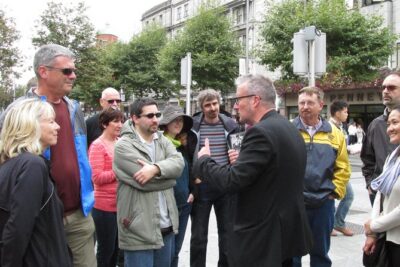 ★ 5.01916 Rebellion Walking TourFrom $271,605 reviews
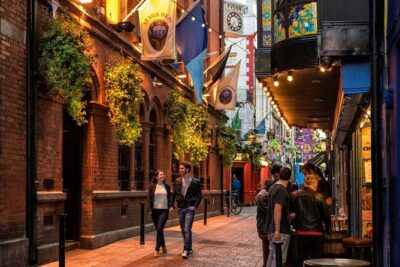 ★ 5.090 Minute Dublin Walking tour and Sightseeing tipsFrom $21916 reviews
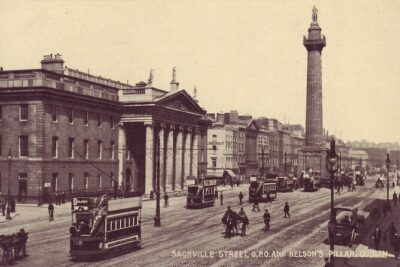 ★ 5.02-Hour Historical Walking Tour from DublinFrom $22875 reviews
 ★ 4.7Historical 2-Hour Guided Walking Tour of DublinFrom $22865 reviews
 ★ 5.0Dublin Traditional Irish 3 Course Meal Walking Tour with LocalFrom $107755 reviews
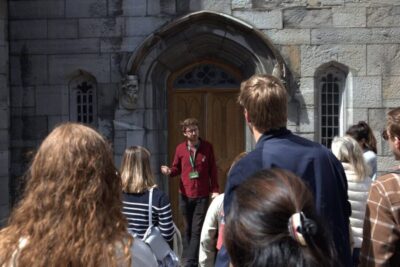 ★ 4.9Mythology, Folklore and Legends Walking TourFrom $27703 reviews
Browse the lists this tour appears in