
Reviewed · DUBLIN MUSEUM TOURS
Dublin: Jeanie Johnston Tall Ship Irish Famine History Tour
Some ships feel like a postcard. The Jeanie Johnston feels like a story.
In about 50 minutes, you step from the Dublin Docklands into the living space of Irish famine emigrants. I love the above-deck walk with real ship details, and I love how the guide brings the crossing to life through passenger and crew stories. One thing to consider, this is not recommended if you have limited mobility, and it is not set up for wheelchair users.
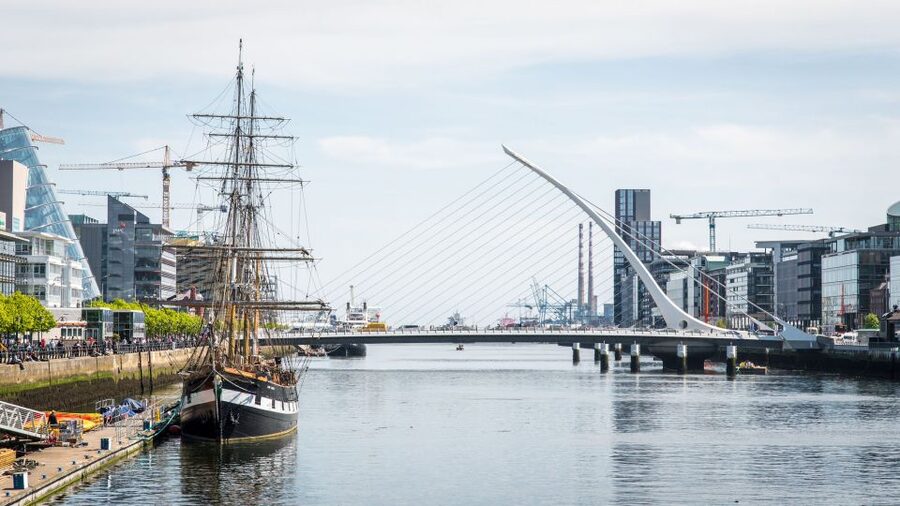
You meet at the ship’s North Dock moorings and get a live English guide for an easy, focused visit. The tour is priced at about $16 per person, which is strong value for a guided experience on an actual tall ship rather than another room full of panels. If you are short on time in Dublin, it is a tidy way to add weight and meaning to your day.
Key highlights worth your attention
- Tall ship atmosphere in Dublin’s Docklands, including the wind, the gulls, and the salty sea air
- A guided walk both above and below deck, so you see masts and then the cramped passenger quarters
- Stories of people who fled during the famine, including how they paid for the crossing and what they ate
- Family-friendly emotional storytelling, with guides praised for mixing serious history and humor in a clear way
- Good photo ops at one of the area’s most photographed attractions, right by the ship
- A time limit that helps you focus, since the tour clocks in at around 50 minutes
Jeanie Johnston in Dublin’s North Dock: what you get for about $16
This is a compact tour, and that is a plus. You are on the Jeanie Johnston Tall Ship at City Moorings, Custom House Quay (Dublin 1), and the experience runs about 50 minutes from start to finish at the same meeting point.
For roughly $16 per person, you get guided access to the ship, plus a structured story that connects the famine years to a specific vessel and voyage. That matters because this is not just general facts about the Irish Potato Famine. The tour anchors the theme in the real-world drama of emigration: people paying to leave, enduring cramped conditions, and facing uncertainty at sea.
The main logistical note is the one you should plan around: comfortable shoes help. You will be walking on and around the ship, including going below deck. And if you have mobility limits, check carefully, since the tour is not recommended for people with limited mobility and is not suitable for wheelchair users.
You can also read our reviews of more historical tours in Dublin


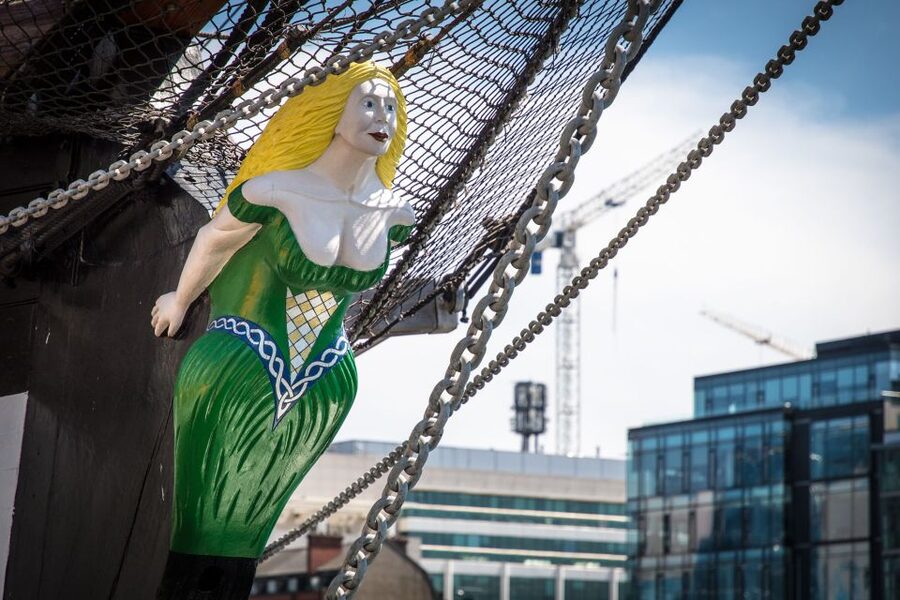
Above deck: masts, ship craftsmanship, and Dublin Docklands views
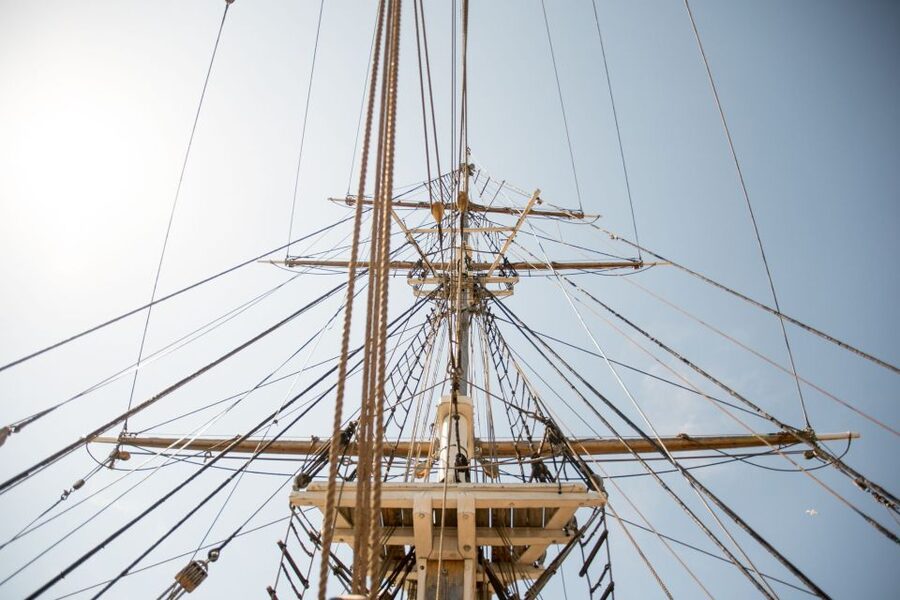
Your tour begins above deck, where the Jeanie Johnston looks big, handsome, and very real. The guide takes you on a walk that starts with the obvious wow factor, the masts and tall ship rigging, and then quickly turns into context.
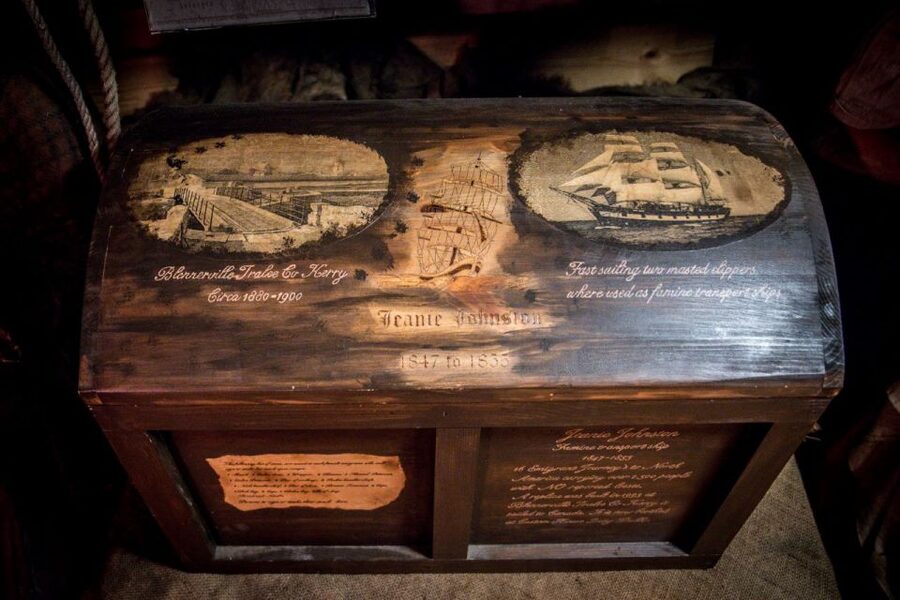
You learn about the ship’s history and, importantly, why the original vessel shifted roles. The tour explains how the ship changed career paths, moving from transporting timber to transporting people. That makes the whole experience feel grounded, because it connects maritime trade to what happened in Ireland in the famine years.
Then you get the Dublin side of the experience. From the upper deck, you take in the sights and sounds of the Docklands from a different angle than the street. You are right there on the water, so you feel it, wind in your hair and that salty sea-air smell, with gulls calling overhead. It is not just scenic, it also helps you picture how different life was for emigrants who came from inland and then stepped onto a vessel that was literally built for movement across oceans.
You also get time for a photo. The ship is one of the most photographed attractions in the area, and the tour naturally gives you a moment to get a snap that looks like you really did something special in Dublin.
Finally, the guide puts tall ship history into the broader 19th century shipping world. You hear about the shipping trade and why these vessels mattered to global movement, which makes the famine-era emigration story feel less like a random tragedy and more like a grim chapter in a system that already existed.
Below deck: the cramped passenger quarters and the cost of survival
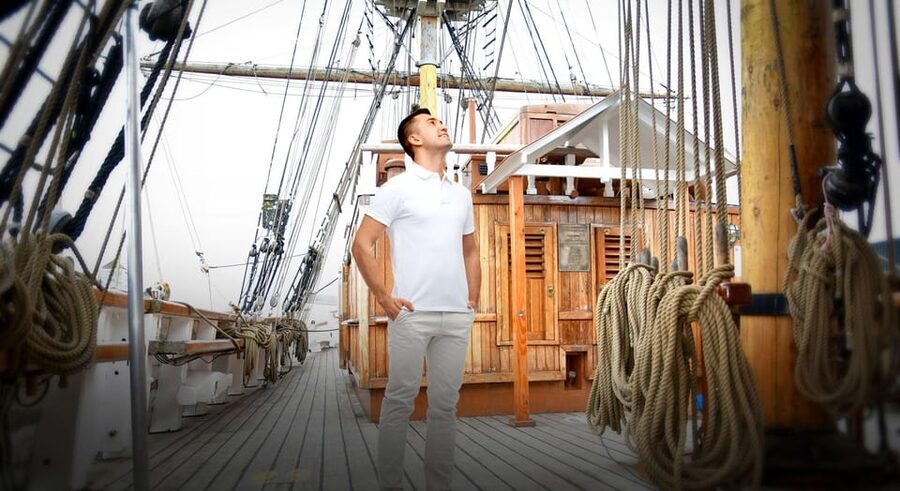
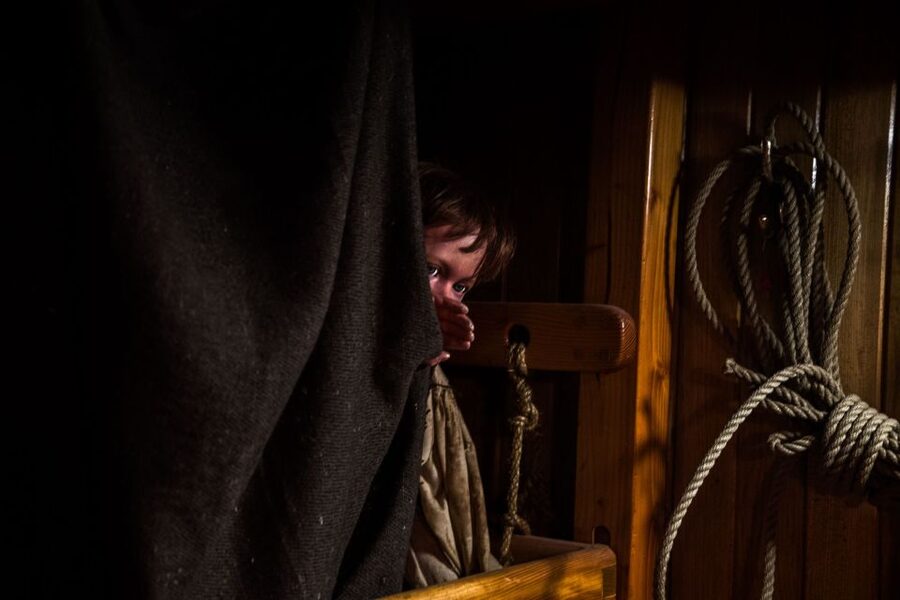
The tone shifts once you go below deck. The guide asks you to pause and take in the space, because the point here is scale and pressure, what it felt like to live in tight quarters for weeks.
You enter the areas where up to 250 passengers spent most of their time. The tour explains that they only got about half an hour of fresh air each day. That detail is key. It makes the physical reality of the voyage part of the story, not just an afterthought.
Inside, you get to see what the cramped living quarters looked like and you learn how passengers and crew were expected to cope. This is also where the tour turns from ship facts into human facts.
You meet some of the passengers and crew through the tour storytelling, then you hear personal details like:
- how people paid for their crossing
- what they ate on the long voyage
- how they passed the time while stuck at sea
Then comes the hard part, the risks. The guide covers the grim conditions, including disease and starvation, plus other dangers like disaster. Even if you know the headline story of the Irish Famine, the below-deck framing makes it concrete. You start thinking about bodies, sickness, hygiene, and the way fear and hope can live in the same small space.
One striking point that guides mention during the visit is the claim that nobody died on the 16 voyages to America. That is a powerful detail because it adds a different layer to the story of survival. I would treat it as part of the ship’s interpreted narrative as you hear it from the guide, but it still lands hard, since you know you are dealing with a period when people were losing loved ones at home and facing brutal odds after departure.
The guide makes it land: Steve, Claire, Eoin, Katrina and more
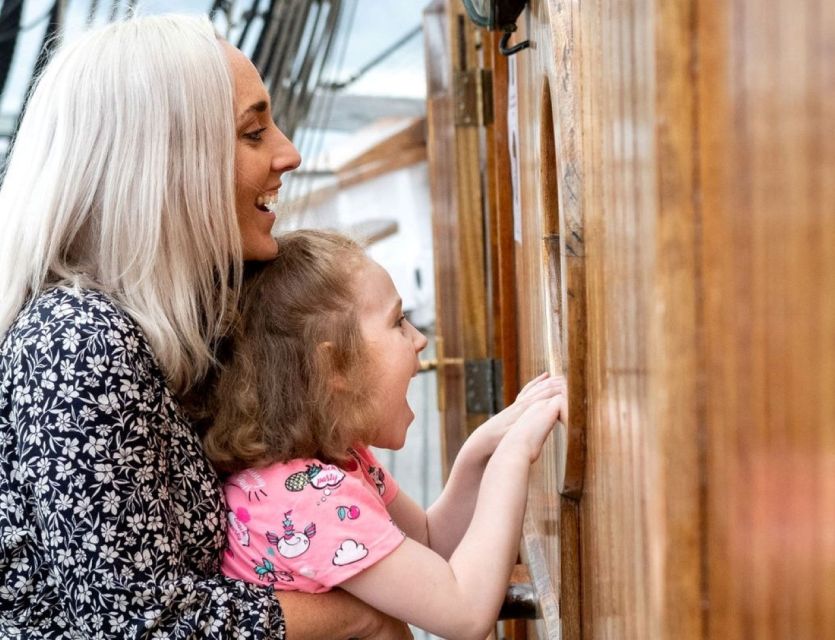
This tour is a live guided experience in English, and the guides get consistently praised for how they tell the story. What stands out most from the on-ship experience is the balance: serious history with real clarity, and just enough humor to keep the group engaged without turning the subject into a joke.
I noticed a pattern in how guides are described. People singled out guides like Josh, Steve, Claire, Rolland, Owen, Eoin, Gearoid, Ronan, Eioan, Katrina, and Catriona for being friendly, informative, and able to answer questions. One parent noted the tour worked well even with kids aged 7 to 15, and another highlighted how a guide helped a child handle nerves around parts of the ship. That tells me something practical: the guides know how to keep a mixed group listening.
You can also expect active explanation rather than a silent walk. The best part is that the guide handles the emotional weight with structure. You are not dumped into the famine story with a few vague facts. Instead, you get a step-by-step movement from ship to quarters, then quarters to personal stories, then to the risks and choices emigrants faced.
If you like tours where you can ask why something happened and how it worked, this is a good format. The ship becomes the classroom, and the guide works like the teacher who keeps the room moving.
Where the tour fits in your Dublin day
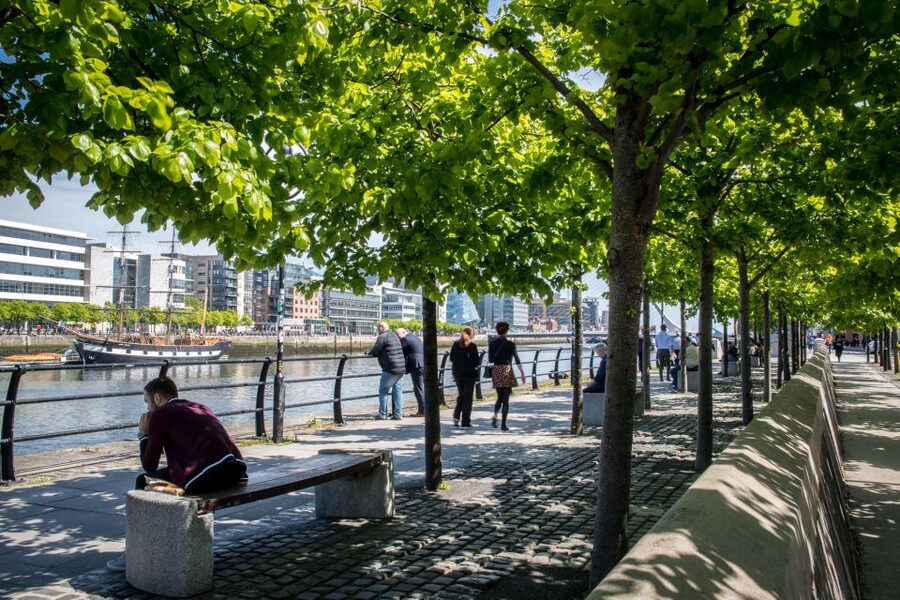
Because it is around 50 minutes, this works as a smart add-on near the center of Dublin. Your meeting point is at Custom House Quay, right in the dock area. That is helpful if you are already planning time around the North Dock and want a stop that feels more meaningful than yet another monument.
It is also a good option if you want a break from walking streets all day. Going on the ship gives you a different kind of movement. You are still on foot, but the experience is contained to the ship’s layout, and the tour has a clear start and end back where you meet.
Weather can change how it feels above deck. On a misty or breezy day, the salty air detail hits harder in a good way. On a very hot day, you might appreciate that the story moves below deck fairly quickly, where it can feel cooler and more sheltered. Either way, comfortable shoes matter because you will be transitioning between areas.
For photographers, the ship is built for it. You will have a moment to capture the Jeanie Johnston as one of the area’s most photographed sights, and you will also have the dock view angles that you simply cannot get from ground level.


Who should book this tall ship famine history tour
This is a strong match if you want:
- a short, guided introduction to the Irish famine emigration story
- a unique setting, not a standard museum room
- a tour where the ship’s spaces help you understand the hardships, especially below deck
It may not be a match if:
- you need a wheelchair-friendly route or you have limited mobility
- you dislike tours that handle difficult topics like disease, starvation, and disaster risks
It is also a decent choice for families, based on multiple comments about kids staying engaged. If you have younger travelers, the guide pacing and clear storytelling style are likely to help keep attention.
Should you book the Dublin Jeanie Johnston Tall Ship tour?
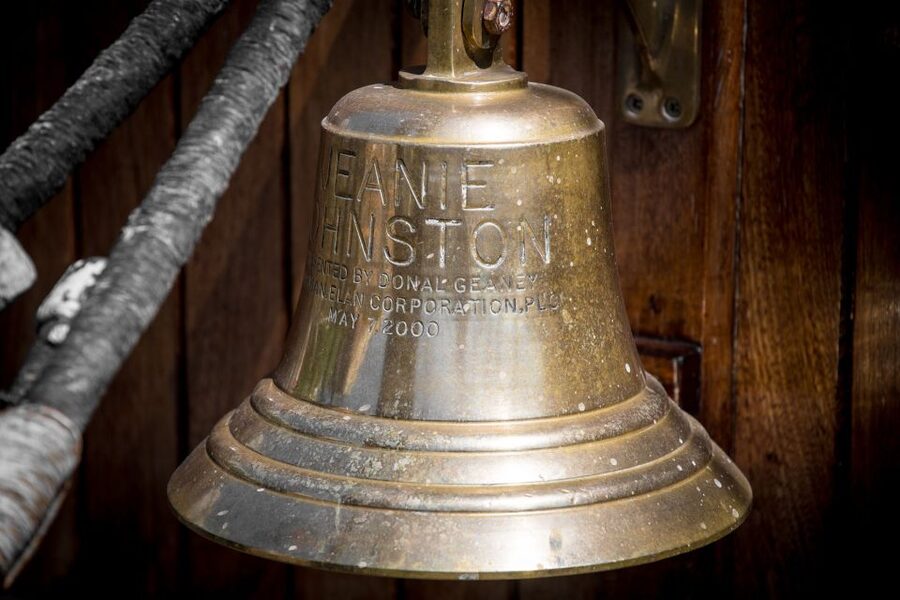
If you are in Dublin and you want one worthwhile guided stop that connects the Irish Famine to real maritime life, I think this tour is an easy yes. The value is good for the time you spend, the 50-minute length keeps it focused, and the above-deck versus below-deck format turns history into something you can picture.
Book it if you appreciate stories that explain how people lived and traveled, not just dates and numbers. Skip it if mobility is an issue for you or your group, since the experience is not recommended for limited mobility and is not suitable for wheelchair users.
FAQ
How long is the Jeanie Johnston Tall Ship Irish Famine History Tour in Dublin?
The tour lasts about 50 minutes.
How much does the tour cost?
The price is listed as $16 per person.
Where is the meeting point for the tour?
The tour starts at Jeanie Johnston Tallship, City Moorings, Custom House Quay, Dublin 1, and ends back at the same meeting point.
Is the tour available at multiple starting times?
Starting times are listed for you to check availability.
What language is the guided tour offered in?
The live tour guide speaks English.
What is included in the ticket price?
Your ticket includes entrance and access to the guided tour of the Jeanie Johnston Tall Ship.
Is hotel pickup or drop-off included?
No, hotel pickup and drop-off are not included.
What should I wear or bring?
Wear comfortable shoes.
Is the tour suitable for wheelchair users or limited mobility?
This tour is not recommended for people with limited mobility and is not suitable for wheelchair users.
Can I get a full refund if my plans change?
You can cancel up to 24 hours in advance for a full refund.
More Historical Tours in Dublin


More Tours in Dublin


More Tour Reviews in Dublin

Not for you? Here's more nearby things to do in Dublin we have reviewed


Dublin Museum Tours, compared.
 ★ 5.0Irish Rock ‘N’ Roll Museum Experience DublinFrom $266,112 reviews
 ★ 5.0The Little Museum of Dublin Famous Guided TourFrom $212,948 reviews
 ★ 4.5Dublin EPIC Museum Admission TicketFrom $251,729 reviews
 ★ 5.0Giant’s Causeway with the Titanic Exhibition and the best of Northern IrelandFrom $1021,122 reviews
 ★ 4.6Irish Whiskey Museum Tour and Whiskey TastingFrom $22999 reviews
 ★ 4.6EPIC Museum Entrance TicketFrom $24816 reviews
 ★ 5.0Irish Whiskey Museum: Whiskey Blending ExperienceFrom $44577 reviews
 ★ 4.6Irish Whiskey Museum Blending Tour with TastingsFrom $34378 reviews
Browse the lists this tour appears in