
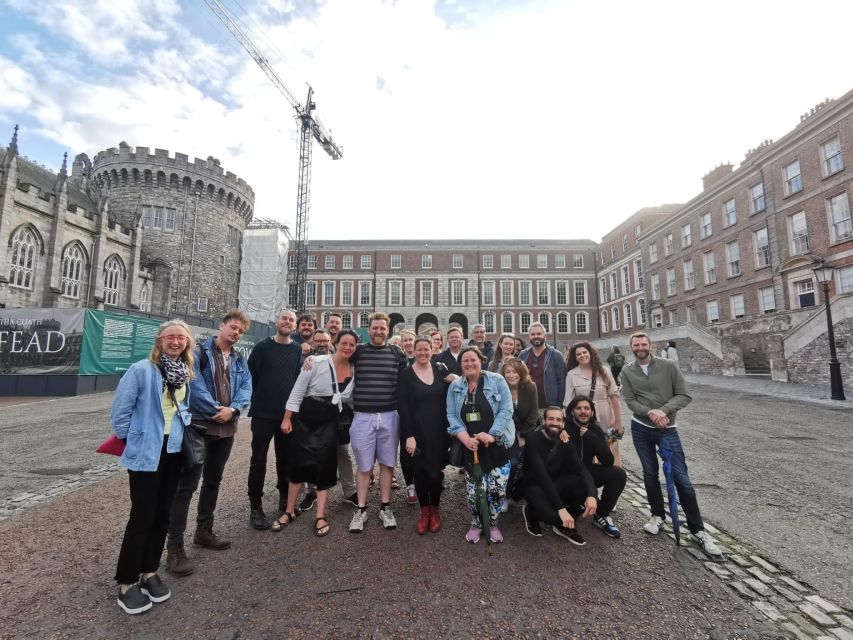
Reviewed · DUBLIN WALKING TOURS
Dublin: LGBT Pride Walking Tour with Queer History
Dublin changes when you learn its queer street stories. I like how Helena links major landmarks like Liberty Hall to specific people in Irish LGBTQ+ history. I also like the way the tour balances uplifting moments with the real, difficult stuff that came before today’s rights.
One thing to consider is that this is a walking tour, so you are on your feet outdoors for the whole 2 hours. Wear comfortable shoes, and you will be much happier.
Key Highlights You Should Know
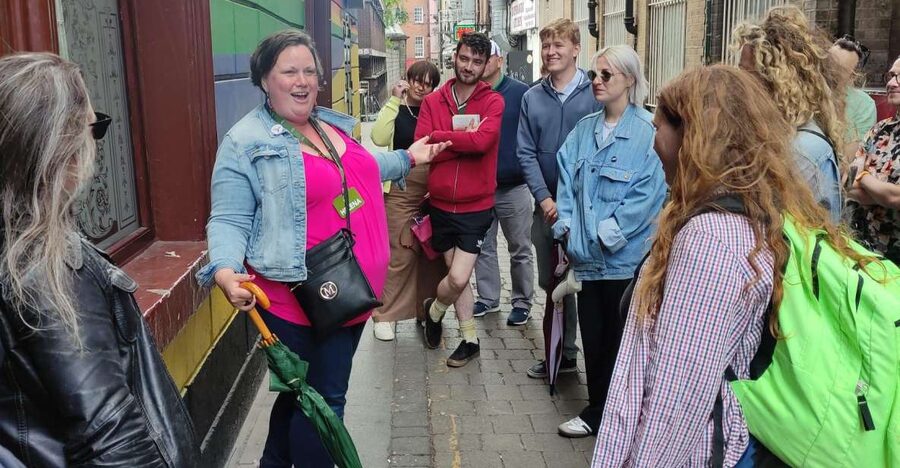
- A live guide who keeps it funny and human, not just dates and plaques, especially with Helena’s storytelling
- Landmarks you can actually point to, including Trinity College, the Diceman’s Corner, and the General Post Office
- Real names with real stakes, like Dr Lydia Foy and Panti Bliss
- Legal and social turning points in plain language, including the Gender Recognition Act
- A Pride story that includes both protest and progress, from early demonstrations to marriage equality
- Wheelchair accessible, so you can still do this even if mobility is limited
Quick Facts Before You Go
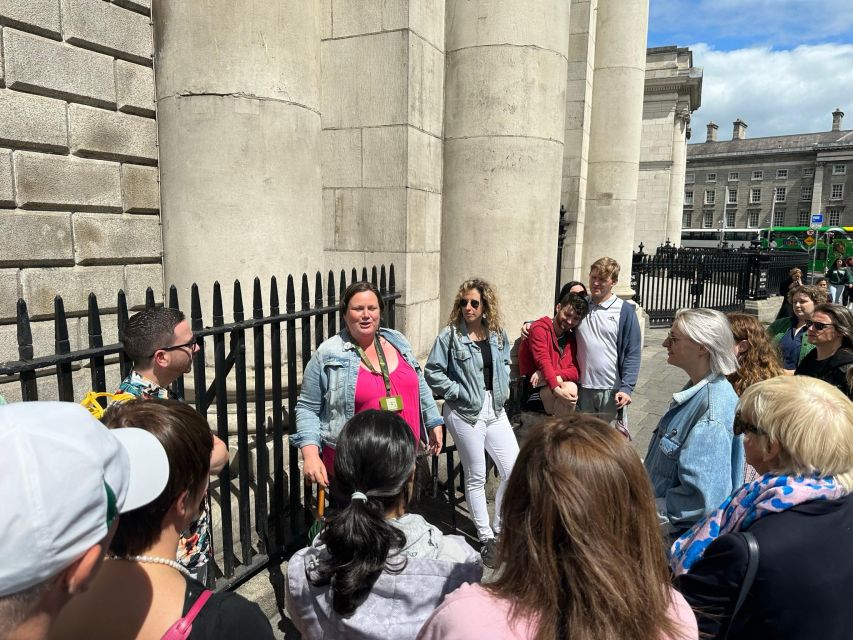
This is a 2-hour LGBT Pride walking tour in Dublin County, Ireland, focused on queer history across the city. The price is $27 per person, which is fairly solid for a guided, topic-heavy walk that covers multiple well-known landmarks.
Tours run in English with a live guide, and you start and finish at the same spot. Starting times vary, so check the schedule before you plan the rest of your day.
You can also read our reviews of more historical tours in Dublin


Getting Oriented: Where to Meet and What to Look For
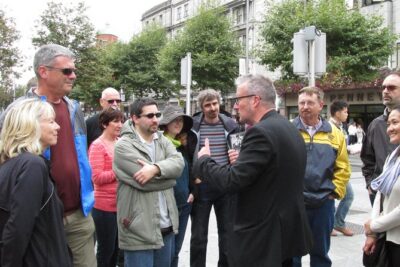
You will meet your guide directly outside the Old Storehouse Bar & Restaurant. Look for someone carrying a green umbrella.
That matters more than it sounds. On a city walking tour, you want the meetup to be obvious, and this one gives you a clear visual cue. Plan to arrive a few minutes early so you can settle in before heading out.
What Makes This Tour Worth Your Time
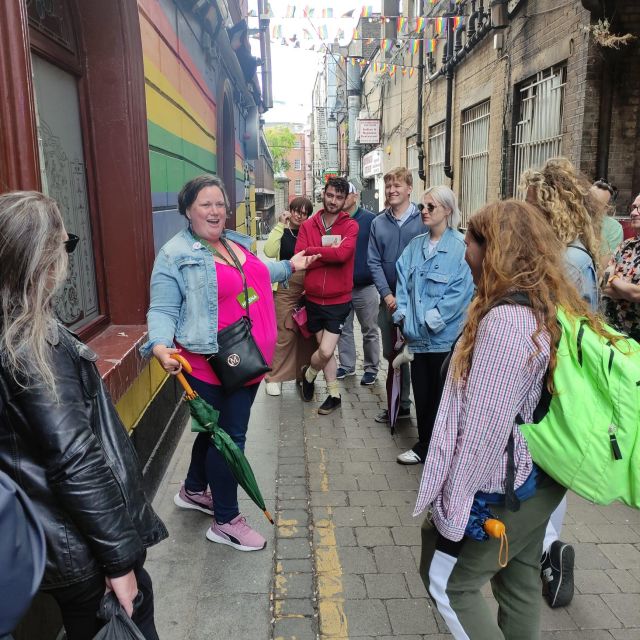
If you only have a couple hours in Dublin, you still want context. This tour gives you that, fast, by tying queer history to recognizable places you would otherwise walk past without understanding.
I also like that it covers more than one era. You hear about people connected to Irish revolutionaries and civil rights activism, pride march pioneers, and gender identity trailblazers. And you see how the story moved from exclusion and abuse toward marriage equality, without pretending the journey was smooth.
Liberty Hall and the Meaning Behind the First Pride Protest
Liberty Hall is a headline stop for a reason. The tour connects it to Ireland’s early pride protest energy, including the idea that people showed up publicly even when acceptance was not on the menu.
This is where the tour’s tone clicks. You do not just get a feel-good message. You get a sense of courage, plus how protest can push society to change its rules and its attitudes over time.
General Post Office: Revolutionary Queer Stories in the Center of Town
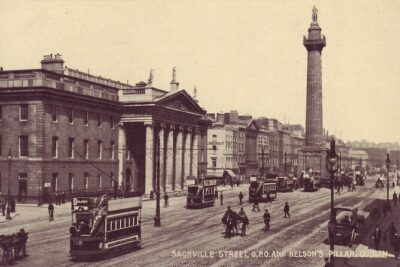
You will also pass the General Post Office, a major Dublin landmark with the kind of visibility that makes it feel like history is happening in real time. Here, the tour shares stories tied to revolutionary queer figures, including Panti Bliss.
This stop helps you understand something important: queer history in Ireland is not separate from national history. It often runs alongside it, in public spaces and political moments. That makes the city feel more connected, not less.






Trinity College and the Sexual Liberation Movement
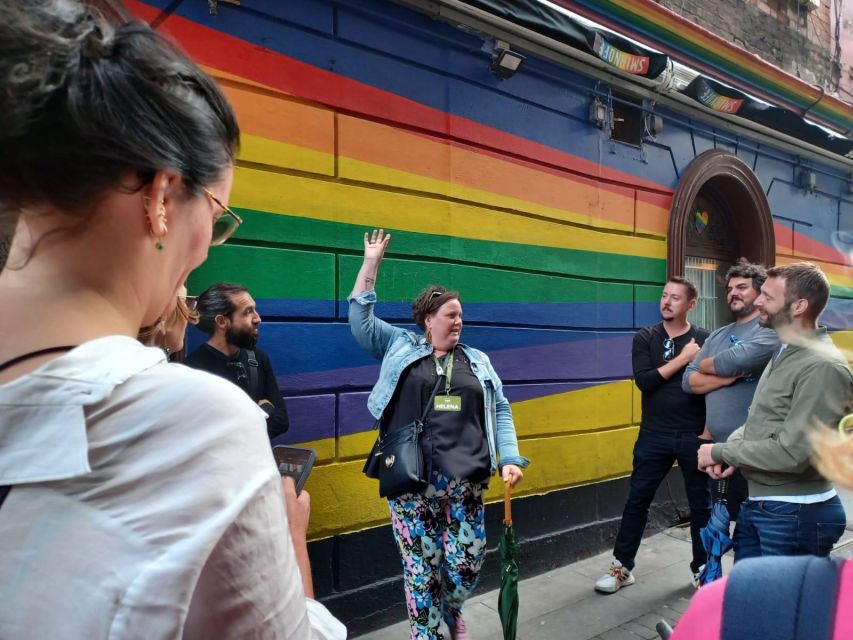
Trinity College comes next, and the tour uses it to talk about the Sexual Liberation Movement. This is one of those stops where the building is famous, but the LGBTQ+ connections are not always part of the usual tourist story.
I like how this segment links ideas to specific places. It helps you remember what you are learning, because you can picture where the discussion happens as you walk.
Hirschfield Centre: Community Support and Visibility
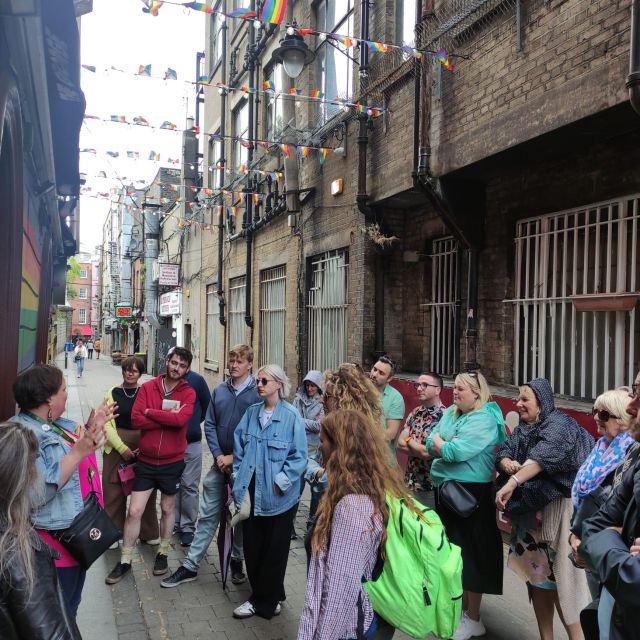
You will pass by the Hirschfield Centre during the walk. This is the kind of stop that reminds you queer history is not only about activism in the streets. It is also about community spaces, support networks, and visibility in everyday life.
Even if you do not know much going in, this stop gives you a practical takeaway. It is easier to understand how progress happens when you see where people gather, organize, and stay connected.
Diceman’s Corner and the Icons You Can Recognize
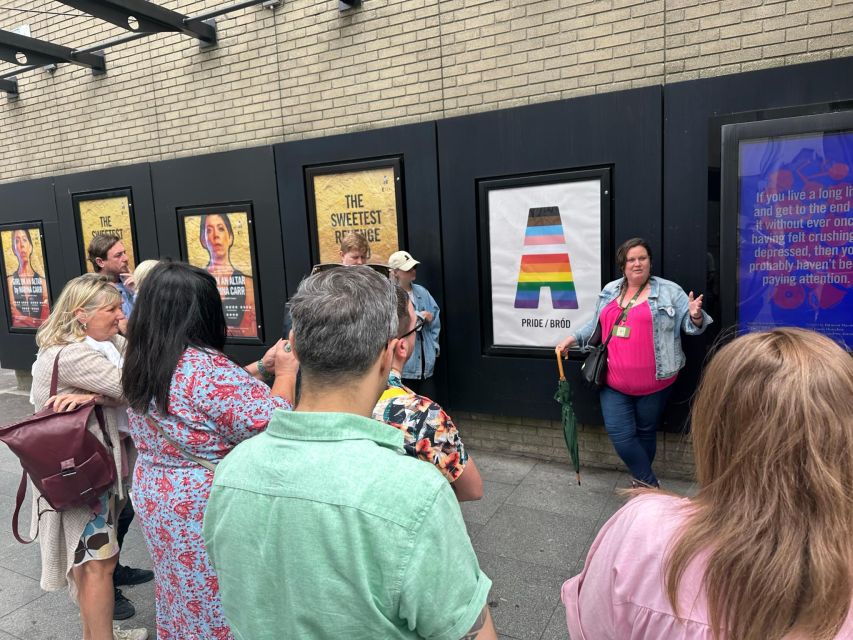
The tour includes the Diceman’s Corner, another Dublin spot that feels both local and symbolic. You get stories tied to LGBTQ+ identity and memory through the lens of specific places people associate with nightlife, public presence, and community life.
This is one of the best parts for first-timers. You leave with a short mental map of where Dublin’s queer culture and queer history have been seen, not just where it is written down.
The George: Why Venues Matter Beyond the Night Out
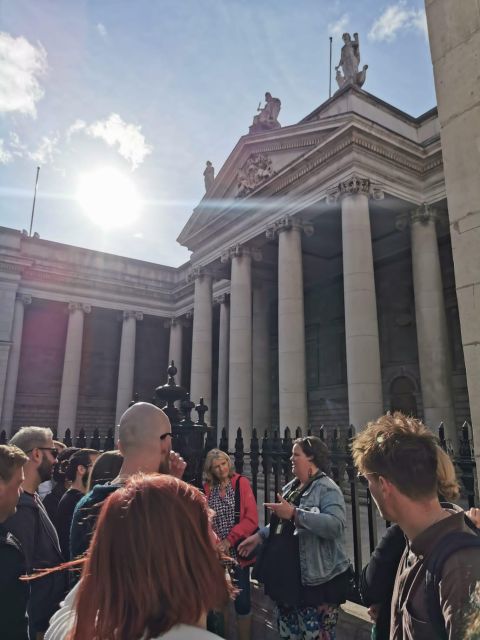
You will also pass the George, described as Ireland’s most iconic LGBTQ venue. That framing matters. Venues are more than entertainment. They often function as social anchors, places to meet people, and safety for those who need a community they can count on.
On this part of the tour, you get a better sense of how cultural spaces connect to politics. When a community has places to gather, it can organize, celebrate, and endure.
Dr Lydia Foy, the Gender Recognition Act, and Legal Change
A key part of the tour focuses on Dr Lydia Foy and the Gender Recognition Act. This is where the walk turns from stories of people and places into stories about systems.
Why is that valuable? Because legal recognition changes what everyday life looks like. It affects documentation, dignity, and safety. Hearing this on a walking tour also keeps it grounded in context, since you are moving through the city that shaped, resisted, and eventually adapted.
Panti Bliss and Pride as Public Pressure
Panti Bliss is another recurring figure during the tour, with the connection framed through revolutionary queer storytelling and public visibility. The message here is straightforward: pride can be both celebration and pressure.
This section also helps you see why queer activism in Ireland took multiple forms over time. It was protests, yes. It was also visibility, conversation, and insisting on the right to exist openly.
What You Will Actually Walk Away With
By the end, you should have a clearer understanding of Ireland’s long and complicated queer history, and how it mirrors wider social and cultural changes. The tour is paced so you hear big themes, then you get specific examples tied to named people and real locations.
The best takeaway for me is that it gives you a Dublin you can read. Afterward, you will notice what you usually miss, especially when you pass Liberty Hall, Trinity College, and the LGBTQ+ landmarks around the center of town.
Price and Value: Is $27 a Good Deal?
For $27 per person, you are paying for a live guide plus a focused 2-hour walk that covers multiple major sites. You could spend the same time on your own and still see the buildings. But you would not get the connections between those places and the turning points in LGBTQ+ rights.
This tour feels especially good if you like learning while moving, and if you want a guided shortcut through complex history. You are not stuck in a classroom. You get stories in the locations that make the stories make sense.
Who This Tour Suits Best
This works well if:
- you want an LGBTQ+ history orientation without doing heavy reading first
- you enjoy walking tours and want context in real places
- you want both uplifting moments and honest, tough history
It may be less ideal if:
- you prefer a seated museum-style format for your learning
- you want a longer deep-history session, since the tour is 2 hours
Should You Book It?
Yes, if you want your Dublin to feel more meaningful fast. This tour earns its keep by linking famous addresses to specific people, including Dr Lydia Foy and Panti Bliss, and by using landmarks like Liberty Hall, Trinity College, the Diceman’s Corner, the Hirschfield Centre, and the George to explain how society changed.
If you like guided storytelling with a friendly, energetic guide like Helena, you will likely enjoy it a lot. Just show up with comfortable shoes, and you will be set for a memorable 2-hour walk through Dublin’s queer past and its road to today.
FAQ
Where does the Dublin Pride Walking Tour start?
You meet your guide directly outside the Old Storehouse Bar & Restaurant.
What should I look for at the meeting point?
Look for your guide carrying a green umbrella.
How long is the tour?
The tour lasts 2 hours.
How much does the tour cost?
The price is $27 per person.
Is the tour offered in English?
Yes, the live tour guide is in English.
Is the tour wheelchair accessible?
Yes, it is wheelchair accessible.
What landmarks will we pass on the walk?
You will pass places including Liberty Hall, Trinity College, the General Post Office, the Hirschfield Centre, the Diceman’s Corner, and the George.
What should I bring?
Bring comfortable shoes.
Is there free cancellation?
Yes, you can cancel up to 24 hours in advance for a full refund.
Can I book without paying right away?
Yes, there is a reserve now & pay later option, where you can book your spot and pay nothing today.
More Historical Tours in Dublin


More Tours in Dublin


More Tour Reviews in Dublin


Not for you? Here's more nearby things to do in Dublin we have reviewed


Dublin Walking Tours, compared.
 ★ 5.0Dublin Highlights and Hidden Gems Guided Walking TourFrom $296,020 reviews
 ★ 4.9Highlights and Hidden Gems Walking TourFrom $272,140 reviews
 ★ 5.01916 Rebellion Walking TourFrom $271,605 reviews
 ★ 5.090 Minute Dublin Walking tour and Sightseeing tipsFrom $21916 reviews
 ★ 5.02-Hour Historical Walking Tour from DublinFrom $22875 reviews
 ★ 4.7Historical 2-Hour Guided Walking Tour of DublinFrom $22865 reviews
 ★ 5.0Dublin Traditional Irish 3 Course Meal Walking Tour with LocalFrom $107755 reviews
 ★ 4.9Mythology, Folklore and Legends Walking TourFrom $27703 reviews
Browse the lists this tour appears in