
Reviewed · DUBLIN BIKE TOURS
Bike Tour Along The Historic Waterways Of Dublin
Two wheels beat Dublin traffic. This half-day to full-day bike route links cycle lanes, parks, and waterways, so you get a calm, local feel without constantly dodging buses. I really like the guide-led storytelling from Ben, and I also like how the ride mixes headline sights with quieter corners along Dublin Bay and the River Liffey. A possible drawback to plan for: the bikes may not feel perfect for long stretches, with some people finding the seat and gearing a bit basic.
You’ll ride with a helmet and high visibility vest, which makes the whole thing feel controlled even when you’re near busy roads. The route also keeps you moving between very different settings, from Bull Island and Phoenix Park to Glasnevin and Kilmainham. Still, you should be ready for urban cycling and a decent amount of time in the saddle.
Key highlights you should notice right away
- Ben’s on-bike explanations that connect transport, sports, and local life in plain language
- Cycle lanes plus waterways, so you’re not stuck in traffic for the whole day
- Major sights and meaningful memorials in the same route (Croke Park, War Memorial Gardens, Kilmainham)
- A real break on Bull Island with a sea-wall cafe stop and time for a cuppa
- Long stop at Glasnevin with a public tour focused on people and stories, not just dates
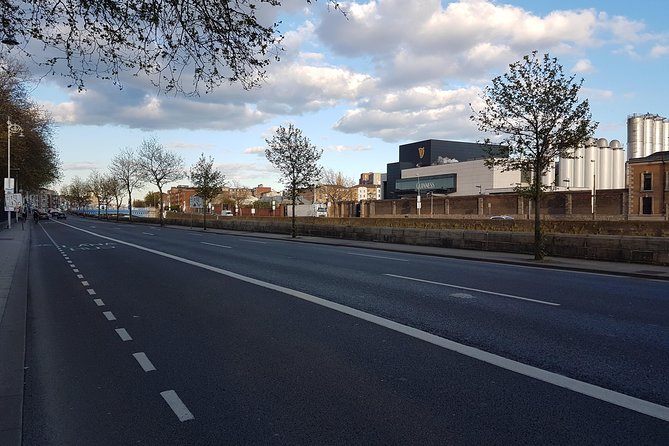
- The route ends in memory at Croppies Acre with big museums and the Guinness Brewery nearby
Dublin by Bike, built for waterways, parks, and easy momentum
This is one of those Dublin tours where the ride itself is part of the attraction. You start near Capel Street in North City, then work your way out toward the coast and along waterways that most visitors only pass through on foot. The pacing is structured around short stops, so you get time to look closely without losing the flow of the ride.
What makes it feel special is the mix. You’ll hit big-name Dublin stops like Croke Park and Kilmainham, but you’ll also spend time on park paths and cycle corridors that make the city feel less crowded. If you’ve ever wished you could see Dublin without hauling yourself across it in buses and taxis, this route is designed for that exact wish.
You can also read our reviews of more historical tours in Dublin



Price and what 198.25 gets you (and where it may not)
At $198.25 per person, you’re paying for more than a bike rental. The included value is clear: bike use, a helmet, and a high visibility vest, plus the guide who links all the stops into a coherent city story. The tour is also offered in English, and it’s private, meaning it’s just your group.
That said, two sights have extra admission you’ll want to budget for: Glasnevin cemetery and Kilmainham Gaol. Everything else listed is free at the stop level. Lunch is also not included, so you’ll likely want to plan your food around the John Kavanagh The Gravediggers pub stop.
Timing matters too. The duration is listed as about 5 to 8 hours. That’s a wide range, so you should assume this is an all-in day. If you’re the type who hates extended time outdoors, bring realistic expectations.
Start point near Capel Street, pickup within 1 km, and a truly private setup
You meet at 37 Capel St, North City, Dublin, D01 X2E5. The tour ends back at that same meeting point, which is handy if you’ve got dinner plans later. If your hotel or accommodation is within 1 km, your guide can meet you up to 20 minutes before the scheduled start time and then walk you to the tour start.
One more practical thing: this is a private tour/activity, so you’re not sharing your day with strangers. That usually makes it easier for the guide to keep the pace and for everyone in your group to hear the explanations.
The tour also expects a strong physical fitness level. You should be comfortable cycling in an urban environment and staying focused during traffic-adjacent segments. Helmets and hi-vis gear help, but you still need to be alert and steady.
First cycling leg: Dublin Bay, transport history, and the new coast lane
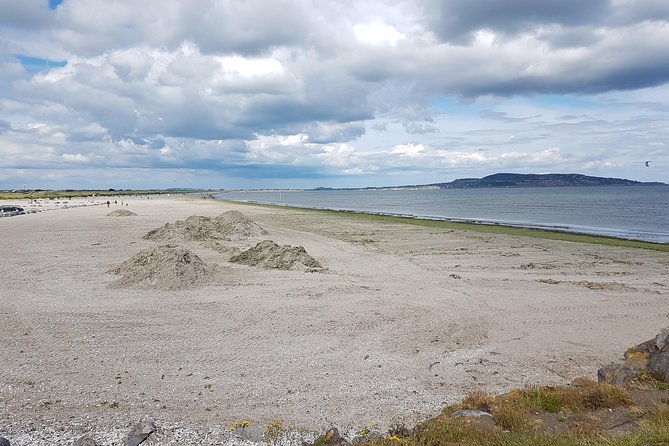
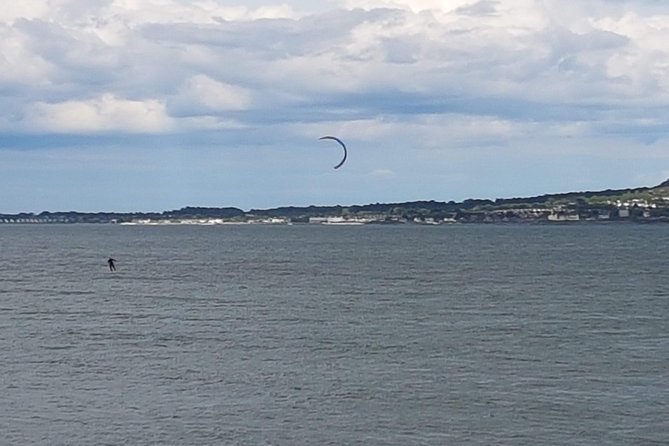
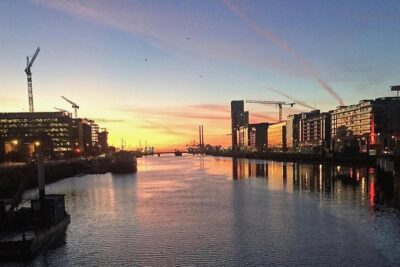
The ride starts by heading along a newly completed cycle lane toward the coast. This section is about more than scenery. The guide talks about the history of transport infrastructure in the area while you take in sea air and wide views of Dublin Bay.
This is a good “wake up” stretch for the day. It gets you moving early, gives you open views, and sets the tone for how the guide will connect physical places to how Dublin works. If you like learning why cities look the way they do, this beginning matters.
Bull Island: sea-wall cafe time and a nature reserve that formed by accident
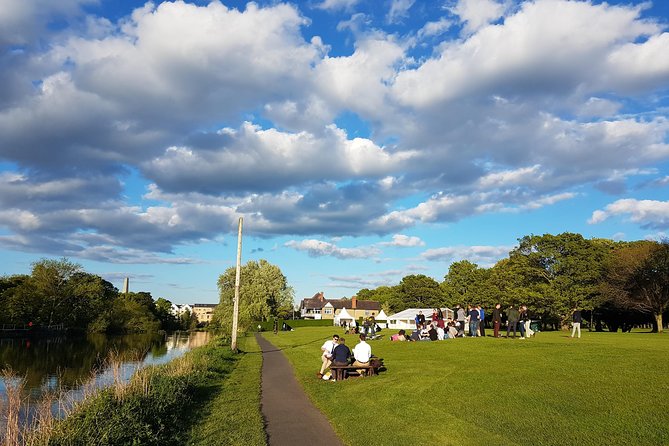
Then you reach Bull Island for a longer breather and a very specific kind of stop. You sit and relax with a cuppa and a snack at a cafe perched on a 200-year-old sea wall, linked to Captain Bligh from Mutiny on the Bounty fame.
The stop is built for comfort and context. You’re not just grabbing food. You’ll also learn how Dublin Bay and the nature reserve were shaped, including the idea that one of Ireland’s major nature reserves was formed accidentally.
You’ll have about 30 minutes here. Admission is free for this stop, but you should still expect to spend a little if you choose to buy something beyond what’s provided in your personal snack preferences. This is one of those stops that makes the tour feel more like a day out with a local than a checklist ride.

Guinness family park lanes and the kind of calm most people miss
After Bull Island, the route passes through an elegant park that was owned and developed by the Guinness family. The bike lanes and park paths here are all about easing your pace.
You’ll cruise along tree-lined laneways, taking things at your leisure. If you’re the kind of traveler who enjoys “in-between moments,” this portion delivers. It gives you a break from monuments and stadium scale, and it makes the city feel lived in.
This is also a practical stretch for your legs. If you’ve been off a bike for a while, the flatter-feeling park sections help you settle into rhythm before the bigger stops.
Croke Park: stand beneath 83,000 seats and learn the GAA origin story
Next comes Croke Park Stadium. You park and stand beneath the stadium’s scale, with an 83,000 capacity that the tour frames as the third-largest in Europe.
What I’d pay attention to here is what the guide focuses on. The explanations connect the stadium to the Gaelic Athletic Association, described as the lifeblood of Irish society and communities. The guide also shares the tragic story of a nearly forgotten man credited with kickstarting and shaping the organization, which is exactly the kind of detail that makes a stadium stop feel personal rather than generic.
You’ll have about 15 minutes at Croke Park. Admission is free for the stop, so the value here is the storytelling and the viewpoint. Even if sports aren’t your thing, this section gives you a lens on Irish identity that you’ll keep noticing later in Dublin.
Glasnevin National Cemetery: the stop that turns faces into stories
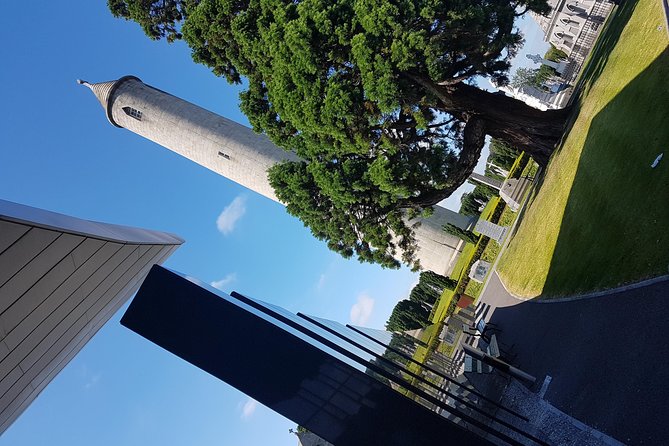
From Croke Park, the tour moves to Glasnevin, Ireland’s National Cemetery. This is the longest stop on your list besides the whole-day ride itself, at 1 hour 30 minutes.
Here you join a public tour, and the tone is a mix of somber and quirky. The focus is on the famous and the obscure, with characters who make the cemetery feel more like a map of lives than a wall of names. Admission for this stop is not included, so this is one of the most important budget points to confirm when you book.
If you want a Dublin that goes beyond the usual postcard scenes, this is a prime stop. Cemeteries can feel heavy, but good guides make them understandable. The structure of the public tour also means you get time to listen without the group constantly moving.
John Kavanagh The Gravediggers: lunch at a pub with a long 1833 thread
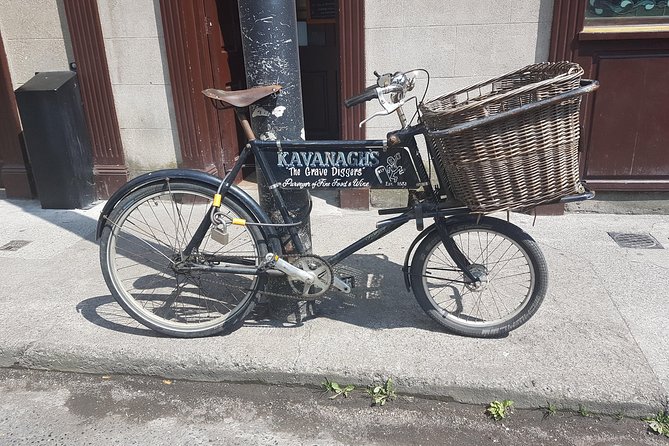
After Glasnevin, you’ll go to John Kavanagh The Gravediggers, a pub named for the hard working people who have been frequenting it since it opened in 1833.
You’re looking at about 45 minutes, and it’s listed as a free admission stop. Lunch is not included in the tour price, but this is your built-in meal moment. If you want one less thing to think about during the day, this helps. You can eat, reset your energy, and then get back on the bike.
This pub stop also keeps the day from becoming wall-to-wall memorials and monuments. It’s a reminder that Dublin history lives in everyday places too.
Tolka Valley Park and Phoenix Park: cycling paths where the city slows
Next is Tolka Valley Park, with about 10 minutes to discover a cycle path through lush green foliage. Admission is free here, and the point is movement with a little breathing room.
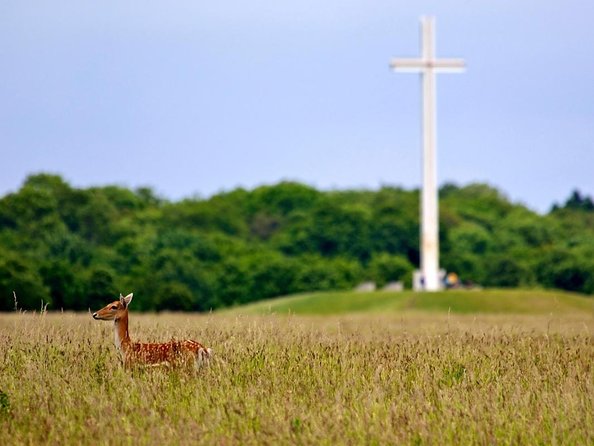
Then you reach a larger park stop: a huge enclosed park in a capital city in Europe, described as starting with red deer in 1662, with deer that still roam there today. That’s Phoenix Park. The tour frames it as a place that began as deer country and remains that kind of space even now.
This section is where I’d expect you to enjoy the ride most. It’s open enough to feel like an escape, but still near enough to Dublin to keep it practical. If you’re worried about stamina, these park segments often feel easier psychologically than heading straight back into dense city streets.
Irish National War Memorial Gardens: River Liffey cycling, rowers, and WWI remembrance
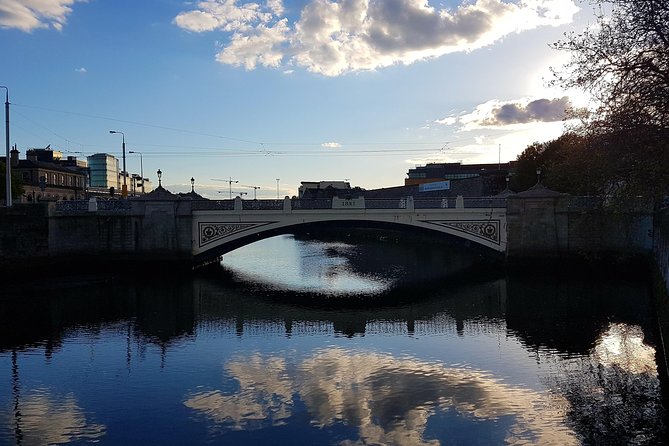
One of the most affecting segments comes with the Irish National War Memorial Gardens. You cycle along a superb path by Dublin’s River Liffey, and you can watch rowers pull in on the river while you move toward the memorials.
Here the guide stops to salute 49,400 Irishmen who fought in World War 1, described as often forgotten in later times. The tour also includes a lesser known story about how a well known Irish Nationalist escaped execution through cunning and guile. There’s even mention of the significance of two swans, which is the kind of symbolic detail that can make a memorial stop feel more human and less like a generic plaque moment.
Timing at this stop is short, about 10 minutes, but the content is heavy. If you’re going on a day trip and you only have a few hours to spare, this stop is a high-impact place to make room for respectful attention.
Kilmainham Gaol and Royal Hospital Kilmainham: from prison stories to museum gardens
The tour then gets real with a brief outside stop at Kilmainham Gaol. You’re looking at about 10 minutes, and admission is not included. Still, the guide shares stories connected to the prison’s different uses over time, including public executions, the Great Famine, and the executions of leaders of the 1916 Rising.
Immediately after, you get a scenic viewpoint at Royal Hospital Kilmainham. The tour points out public gardens that are a replica of the original laid out in the 17th century. Next to it is what was built as a military hospital, now home to what’s described as the Irish Museum of Modern Art.
This sequence works well for most people because it shifts from grim to reflective. You’re not stuck inside a venue for hours, but you’re still learning why these buildings matter.
Croppies Acre Memorial Park: finishing with 1798 legend between big museums
Your final stop is Croppies Acre Memorial Park. The tour frames it through a legend: it was a mass burial grave for victims of the 1798 Rebellion.
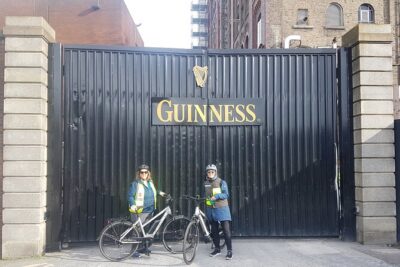
The location is memorable because of what surrounds it. Croppies Acre sits in front of the Collins Barracks National Museum, with the Guinness Brewery on the other side. Even in a short stop (about 5 minutes), the setting helps you understand how Dublin holds onto history in places that also drive modern life.
For a bike tour, this finish lands nicely. You’ve been moving through water, sport, cemeteries, pubs, parks, war memorials, and prison history. The last stop ties together memory and modern Dublin, without sending you back on the bike exhausted.
What it feels like on the ground: safe guidance, pace control, and one comfort note
The clearest praise comes through in how the guide runs the day. Ben is highlighted as a pro, with strong communication and an ability to make Irish history feel clear instead of like a lecture. Safety also gets called out, with people feeling safe and comfortable using the bikes in an urban environment.
There’s also a practical comfort warning worth taking seriously. One person noted that the bike was a bit old, with gears not changing properly and limited padding on the seat. If you tend to get sore during long rides, bring that concern to the front when you meet. Ask about bike condition and seat comfort right away.
Who should book this Dublin waterways bike tour
This is a great fit if you want a Dublin day that includes both famous and lesser seen stops, and you enjoy learning while you move. You’ll likely enjoy it if you like cycling in cities and you don’t mind a full half day to most of the day outdoors.
It’s also a strong choice for people who want a story-first approach to Ireland. Croke Park, Glasnevin, War Memorial Gardens, and Kilmainham together give you a “Dublin identity” view that you just don’t get from a standard bus loop.
If you have trouble cycling in traffic-adjacent areas, or if long sitting time on a basic seat is a deal breaker for your comfort, you may want to consider a tour with more comfortable bikes or a shorter route.
Should you book it? My take on the value
If you can handle a day of urban cycling and you want a guide who connects places through stories, this is a strong value at $198.25. You get a full day format with helmet and vest included, plus a route that hits major Dublin themes without trapping you in traffic.
The two reasons to think twice are also clear: you’ll need to pay extra admission for Glasnevin and Kilmainham Gaol, and you should be ready for bike comfort to vary. If that second point worries you, ask about the bike before you set off, and plan to take the breaks seriously.
FAQ
FAQ
Where is the bike tour meeting point?
The tour starts at 37 Capel St, North City, Dublin, D01 X2E5, Ireland.
Does the tour end back at the same place?
Yes. The activity ends back at the meeting point.
Is pickup available?
Pickup is offered if your hotel or accommodation is within 1 km of the start location. The guide can meet you up to 20 minutes before the scheduled start time and then walk you to the start.
What’s included in the tour price?
Included are use of a bicycle, a safety helmet, and a high visibility vest.
What is not included?
Lunch is not included, and admission tickets for Glasnevin and Kilmainham Gaol are not included.
How long is the tour?
It runs for about 5 to 8 hours.
Do I need to be physically fit?
Yes. The tour notes that travelers should have a strong physical fitness level and be comfortable cycling a bike in an urban environment.
Is this tour private?
Yes. It is a private tour/activity, with only your group participating.
What language is the tour offered in?
The tour is offered in English.
Does weather affect the tour?
Yes. The experience requires good weather, and if it’s canceled due to poor weather you’ll be offered a different date or a full refund.
More Historical Tours in Dublin

More Tours in Dublin

More Tour Reviews in Dublin


Not for you? Here's more nearby things to do in Dublin we have reviewed


Dublin Bike Tours, compared.
 ★ 5.0Cycle Dublin – Bike & ebike ToursFrom $42748 reviews
 ★ 5.0Dublin Panoramic e-Bike Tour with Howth AdventuresFrom $83544 reviews
 ★ 4.6Bike & E-Bike Tour with a Local GuideFrom $32477 reviews
 ★ 5.0E-Bike & Bike Tour with a Local Guide in DublinFrom $42412 reviews
 ★ 4.5Dublin Full Day Bike RentalFrom $48361 reviews
 ★ 4.7Guided Bike & E-Bike TourFrom $40308 reviews
 ★ 5.0Panoramic e-Bike TourFrom $6792 reviews
 ★ 5.0Private Dublin Historical and Heritage Tour by BikeFrom $12030 reviews
Browse the lists this tour appears in