

Reviewed · DUBLIN WALKING TOURS
Vikings In Dublin (Walking Tour)
Vikings left fingerprints on Dublin.
This 1.5 hour walking tour traces how Norse sailors moved up the Liffey and built a city they called Dubh Linn, with stops that connect everyday street corners to big turning points in Irish history.
I love two things most. First, the French guide explains the Viking period with nuance, not cartoon barbarian stuff. Second, you get to see major landmarks like Christ Church Cathedral while also stopping for smaller street-level moments that make the whole era feel more real.
One possible drawback: the tour is in French, so if you want lots of English conversation, this may not fit as well.
Key Highlights You Should Know Before You Go
- Báite Viking Longboat as your starting point, so you begin with the Viking theme right away
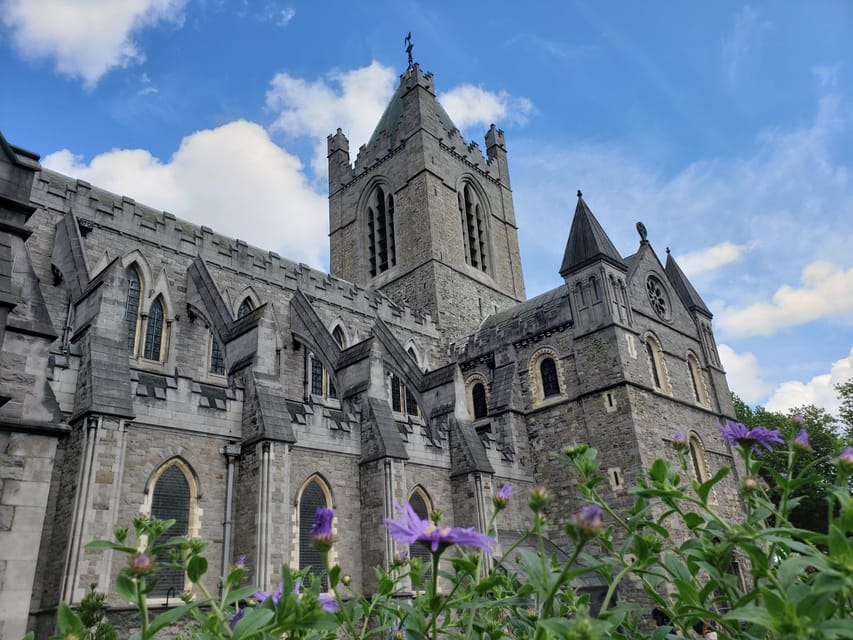
- Christ Church Cathedral with guided context tied to the city’s older layers
- St Audoen’s and Fishamble Street for a street walk that feels specific, not just scenic
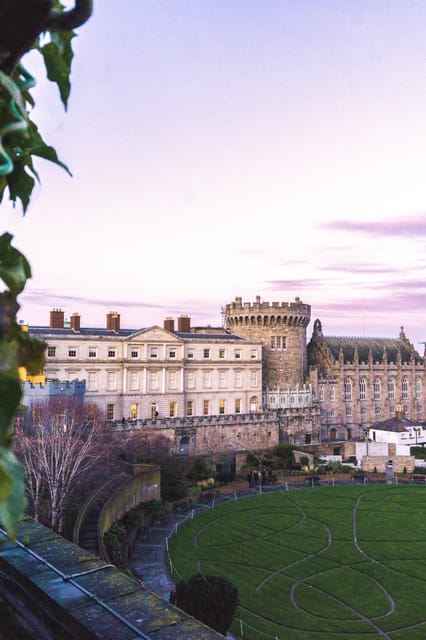
- Dublin Castle as a strong landmark stop that adds scale to the story
- Trinity College area near the finish, which helps you connect the tour to what you likely came for
A Short Tour That Gives You City Bearings Fast

If you only have a little time in Dublin, this kind of focused walk can do a lot. You are not trying to cover everything. You are learning how to read the city the way a Viking-era storyteller would: through waterways, docks, markets, and the power of place names.
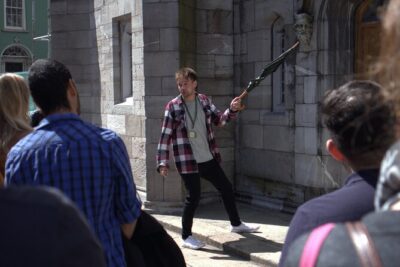
The tour is also a good fit if you like discussion. The guide approach, based on what people consistently value, is clear and answers questions in a relevant way. You get the sense that the history is explained with enough structure to be easy to follow, and with enough nuance to avoid oversimplifying a messy period.
Value matters here too. For $45, you are paying for guided interpretation across multiple major stops. In a city where self-guided sightseeing can turn into a lot of “I think this is where something happened,” a guided story is a time saver.
You can also read our reviews of more tours and experiences in Dublin.



Starting at the Báite Viking Longboat (1988) and Getting Your Bearings
You begin at the Viking Longboat sculpture at Báite, specifically the Báite – Viking Longboat (1988) by Betty Newman Maguire. This is not a random starting point. It sets the tone immediately, so when the guide talks about Norse ships and the Liffey, you have a visual anchor in front of you.
From that first moment, I like how the tour frames Dublin as a set of overlapping eras. The Viking period is treated as part of Dublin’s evolution, not as a separate theme park. That mindset helps you keep paying attention even when you are walking past things that look modern.
Practical note: wear comfortable shoes. You are moving through central Dublin, and the tour lasts about 1.5 hours. That is plenty of time to cover ground on foot, but not enough time to wander slowly.
The Viking Story in Dublin, Dubh Linn and the Liffey Connection
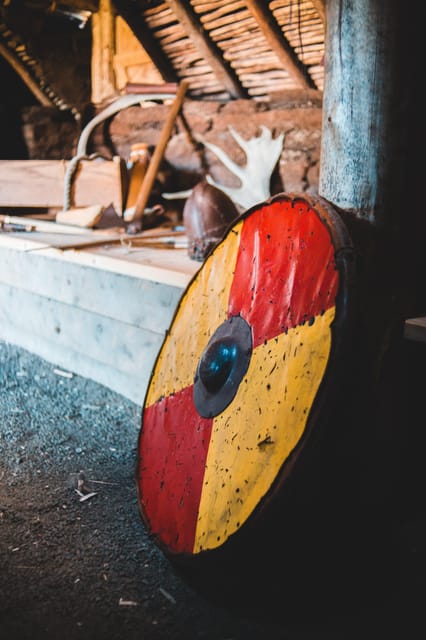
Once you are moving, the tour’s main thread becomes the relationship between the Vikings and the city. You hear how Norse warriors navigated the Liffey’s waters and founded the city they called Dubh Linn.
What I find useful here is how the guide turns that big claim into something you can picture. Even without being buried in dates, you start linking practical things like shipping and trading to how a city grows. Markets thrive when ships can move people and goods. Ports change neighborhoods. Waterways shape where you build and where you travel.
This is also where the guide’s style becomes important. People consistently highlight that the explanations are clear and concise, with an emphasis on motivations and complexities. If you care whether Vikings are treated as human beings with reasons, this tour leans that way.
Christ Church Cathedral: More Than a Pretty Stop
One of your headline stops is Christ Church Cathedral. You get a guided visit that ties the cathedral to Dublin’s longer story, rather than treating it like a standalone building.
Here is why this matters for you: cathedrals feel “final,” like the story ended when the stones were laid. A good guide helps you notice that buildings also sit on top of earlier lives, earlier roads, and earlier power shifts. That is exactly the kind of city-layer thinking this tour pushes.
The Cathedral stop is also a strong payoff moment. You go from street-level walking to a big, impressive space where history feels visible. Even if you are not a church person, guided context can turn architecture into an explanation of how Dublin changed.
Saint Audoen’s and Fishamble Street: Where Street Details Do the Talking

Next come Saint Audoen’s and Fishamble Street. These stops are especially valuable if you like walking history that stays tied to everyday locations.
Saint Audoen’s is one of those names you can miss completely if you are only chasing the biggest sights. With a guide, you understand why it belongs in a Viking-era conversation about Dublin’s foundations and continuity. The point is not just the building. It is the sense that the city grew over time, and the older layers keep influencing what is around you.
Then you shift to Fishamble Street, which helps bring the story down to human scale. Streets are where people actually lived, traded, and moved. If the guide explains Viking-era traditions and how markets operated, Fishamble Street becomes more than a pretty street scene. It becomes a practical metaphor for how city life functioned.
If you dislike long stops inside buildings, this part is a nice balance. You get guidance without losing the walk.






Dublin Castle: Scale, Power, and Why Locations Matter
You will also visit Dublin Castle with guided tour time. This is where Dublin starts to feel like a capital, not just a collection of landmarks.
Even when you are talking about Vikings, power and politics matter. A city’s control, defenses, and administration shape what gets preserved and what gets replaced. Dublin Castle, as a major symbol of authority, gives the story weight in your mind, so the earlier period does not feel like it floated in space.
I like how this stop helps you understand location as a driver of history. You can imagine how strategic places attract attention across centuries. When you stand in these kinds of locations, you are better at spotting patterns later, even after the tour ends.
A Quieter Stop That Adds Depth (the Tour’s “Hidden Gem” Moment)
Midway through, you also get a quieter, lesser-known stop guided by the team. The specifics of this moment are not described in detail here, but the intent is clear: you are meant to see something that is easy to overlook in your first walk through Dublin.
These kinds of stops are often what turns a “see the sights” tour into a “now I get it” tour. The guide can point out how Dublin’s layers show up in small ways, like the shape of a street, an overlooked connection, or a clue tied to the larger Viking story.
If you like surprises that reward attention, this is the kind of stop to look forward to.
Trinity College Finish: How to Keep the Day Rolling
You finish the tour near Trinity College. That timing matters because Trinity is a natural place to transition from guided history to your own exploring.
Once you are finished, you are positioned to keep moving on foot. You can turn your new Dublin “reading skills” into practical plans, like which streets to revisit or which nearby areas connect to what the guide explained.
One note on the route flow: the tour ends back at the meeting point area. So while Trinity is part of the last stretch, you should expect the overall walk to bring you back toward where you started.
Price and Value for a $45, 1.5 Hour Walk
For $45 per person and about 1.5 hours, I think the value is strongest if you fit the tour’s style. You are not just paying for entry to a couple sites. You are paying for guided interpretation across multiple stops tied to Viking Dublin.
That guide factor is the big differentiator. The strongest praise points are about the guide’s ability to explain Vikings with nuance and clarity, and to answer questions in a way that keeps things moving. If you enjoy learning on your feet, this is where that pays off.
If you prefer to read at your own pace, you might feel the time pressure. But if you want a smart overview plus specific anchors, the length is about right. You get enough stops to build a coherent picture, and you still have time for your own wandering afterward.
Who This Tour Fits Best
This tour is a great match for you if:
- You want a walkable, centralized way to learn Viking-era Dublin without planning a route yourself
- You like a guide who explains Vikings as people with motives, not just a headline label
- You want major landmarks plus smaller street moments in one outing
It may be less ideal if:
- You do not speak French, since the tour language is French
- You only want free time and photos, with minimal talking, since the format is guided
Should You Book This Vikings In Dublin Walking Tour?
Yes, if you want a guided way to understand how Dublin’s Viking roots connect to places you will recognize. The tour’s best selling points are the guide’s clarity and nuance, plus the mix of major stops like Christ Church Cathedral and more street-connected moments like Fishamble Street.
Book it especially if your goal is orientation. In a short Dublin visit, you leave with a framework for what you are seeing after the tour, not just a list of sites.
If you know you will struggle with French, then pause and check whether your preferred language option exists before you commit. Otherwise, this is exactly the kind of thoughtful walking tour that turns a city into a story you can follow.
FAQ
How long is the Vikings In Dublin walking tour?
The tour lasts about 1.5 hours.
Where do I meet the guide?
You meet at the Viking longboat sculpture at Báite: Báite – Viking Longboat (1988) by Betty Newman Maguire.
What stops are included during the tour?
You visit places related to Viking-era Dublin including Christ Church Cathedral, Saint Audoen’s, Fishamble Street, Dublin Castle, and Trinity College, plus additional guided stops.
What language is the tour in?
The live guide language is French.
Is the tour wheelchair accessible?
Yes, it is wheelchair accessible.
Can I cancel for a full refund?
Yes. You can cancel up to 24 hours in advance for a full refund.
Can I reserve without paying right away?
Yes. You can reserve now and pay later, meaning you pay nothing today.
More Tours in Dublin

More Tour Reviews in Dublin
Not for you? Here's more nearby things to do in Dublin we have reviewed


Dublin Walking Tours, compared.
 ★ 5.0Dublin Highlights and Hidden Gems Guided Walking TourFrom $296,020 reviews
 ★ 4.9Highlights and Hidden Gems Walking TourFrom $272,140 reviews
 ★ 5.01916 Rebellion Walking TourFrom $271,605 reviews
 ★ 5.090 Minute Dublin Walking tour and Sightseeing tipsFrom $21916 reviews
 ★ 5.02-Hour Historical Walking Tour from DublinFrom $22875 reviews
 ★ 4.7Historical 2-Hour Guided Walking Tour of DublinFrom $22865 reviews
 ★ 5.0Dublin Traditional Irish 3 Course Meal Walking Tour with LocalFrom $107755 reviews
 ★ 4.9Mythology, Folklore and Legends Walking TourFrom $27703 reviews
Browse the lists this tour appears in