
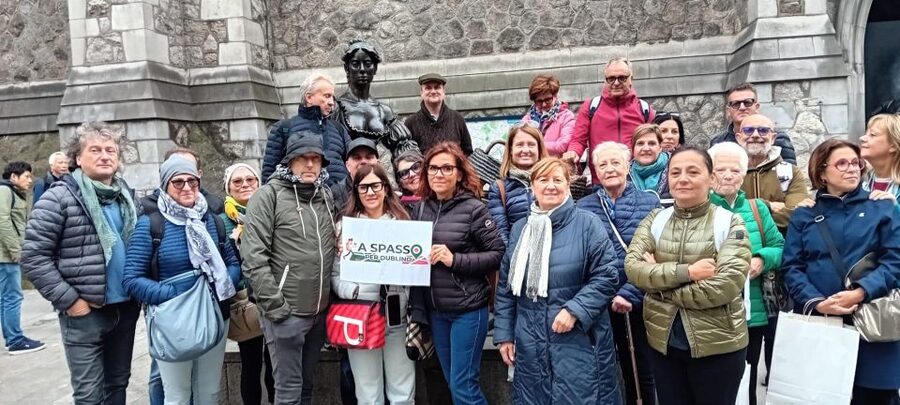
Reviewed · DUBLIN WALKING TOURS
Dublin Highlights: 2.45-Hour Walking Tour in Italian
Molly Malone to the Spire, in one walk. This Italian-speaking tour strings together Ireland’s big moments with the kind of street level details you can actually picture later. I like that it starts in the heart of the city, then moves through Dublin’s most photo friendly landmarks without feeling rushed.
My favorite part is the storytelling approach. You get the arc from the days when St. Patrick arrived to evangelize to the pagans, through the city’s later political turning points, all explained by an Italian-speaking guide with a lively, practical style. I also like how the route hits both the “history monuments” and the “real Dublin” stops, so you finish knowing where the power was, and where the people gather.
One drawback to consider: it’s a 3 hour walking tour, and it’s not suitable for wheelchair users. So you’ll want to plan for steady time on your feet and a fair amount of standing around landmarks.
Key highlights to look for
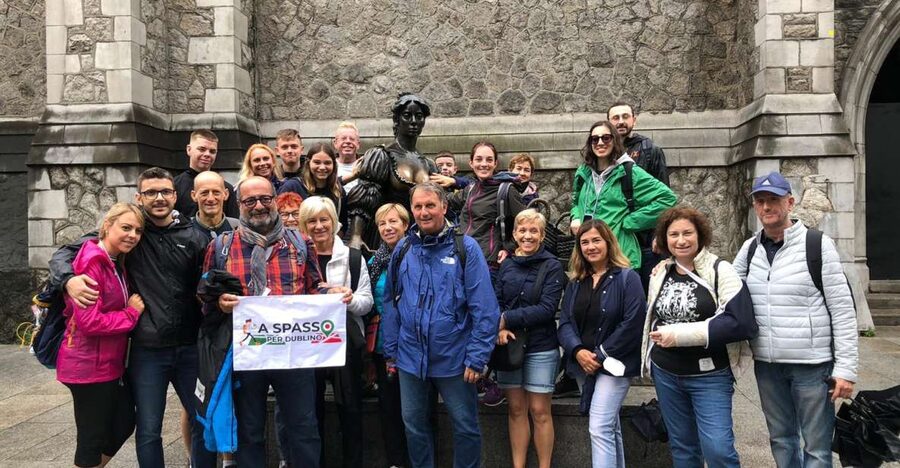
- Italian-speaking guide with story-led pacing, from early legends to 20th-century political change
- Start at Henry Grattan Monument (front Trinity College), a super clear landmark for orientation
- Dublin Castle and the British period to the Anglo-Irish Treaty, explained in plain street language
- St Patrick’s Cathedral and Christ Church Cathedral facades, close enough to study the details
- Temple Bar plus the Ha’penny Bridge crossing, history on one side, nightlife atmosphere on the other
- Built-in discounts that can soften the $28 price when you plan meals or a whiskey stop
A 3-hour Italian route that helps you navigate the city fast
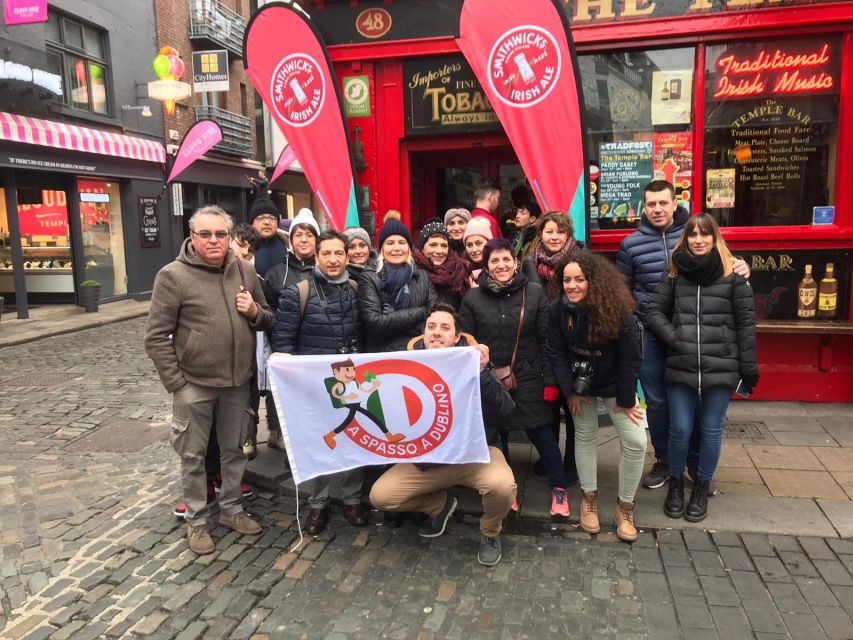
This is a compact walking tour, listed at about 3 hours, and starting times depend on availability. That matters because it’s a good way to get your bearings early in your trip, when Dublin can feel like it has more streets than time.
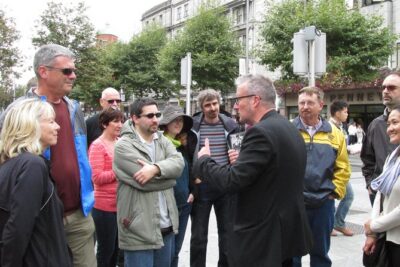
The meeting point is straightforward: Henry Grattan Monument, in front of Trinity College on College Green. You’ll look for your guide by their badge, with the local supplier name. It ends at the Spire of Dublin on O’Connell Street, though the general activity notes say it returns to the meeting point. When you book, double check the exact end point shown for your departure.
What you’re really buying for $28 is not just the sights. It’s the order of operations, so you stop seeing Dublin as scattered landmarks and start seeing it as one connected story. And because you get insider tips for what to do next, the tour works like a planning session you can walk through.
You can also read our reviews of more tours and experiences in Dublin.



Henry Grattan Monument and Trinity College: a great place to set the story
You begin where Dublin history likes to put its name on the map: Henry Grattan Monument, right in front of Trinity College. This is a smart start because you get your bearings immediately in a central, easy-to-reach area.
From there, your guide threads in legend before you even move far. A key stop is the Molly Malone statue, and it’s a useful one because the story behind Molly gives you a feel for how Dublin’s people have always turned everyday life into memorable myth. Your guide also ties this early material back to what you’ll see later, so it doesn’t feel like trivia.
If you’re traveling with kids, this kind of opening can make the whole day easier. One review highlights Melania as especially effective, keeping an 8-year-old engaged with fun, interesting storytelling. That’s the kind of skill that turns a walking tour from “stand and listen” into “follow the plot.”
The only downside here is that, like any central meeting point, the area can get busy. Arrive a few minutes early so you’re not trying to match badges while traffic and crowds swirl around you.
Molly Malone to Dublin Castle: learning power change at street level
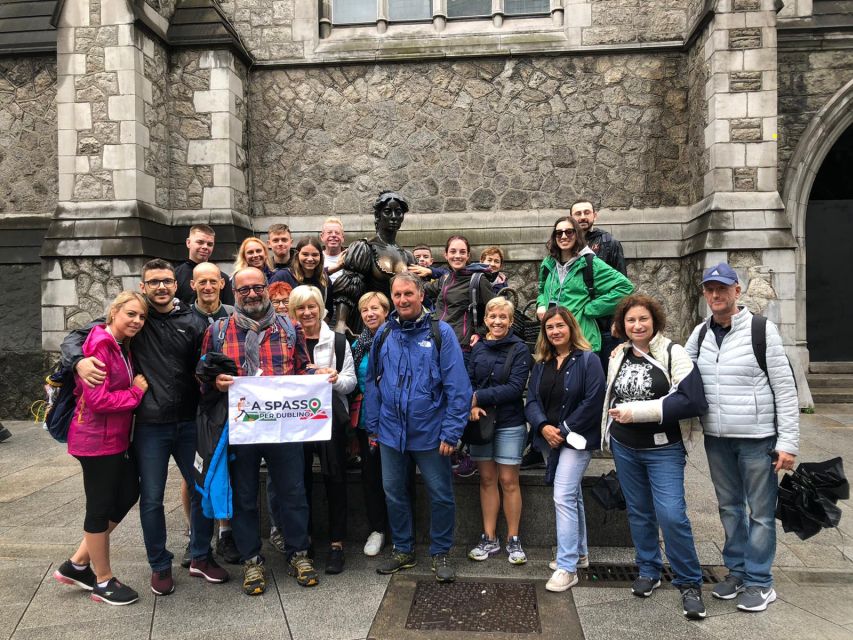
After Molly Malone, you head toward Dublin Castle, one of the city’s biggest lesson boards. The tour frames this place as the seat of British control in Ireland, then brings you forward to the signing of the Anglo-Irish Treaty in 1921. That political thread is the tour’s backbone, and it’s easier to understand when you’re standing in the geography of it.
This is where an Italian-speaking guide earns their pay. You’re not just being told dates. You’re being shown how the city’s landscape reflects who had authority and how that shifted over time. Dublin Castle becomes more than a building, it becomes a chapter.
A practical note: Dublin Castle and the surrounding area can attract plenty of foot traffic. If you prefer quiet photo stops, you might have to wait your turn during busier moments. Also, entrance fees are not included, so you’ll likely spend more time on exterior views and street-side explanations rather than full ticketed access.
Still, even without paid entry, this is a high-value stop because it gives you context for the rest of your sightseeing. Once you understand what’s behind the walls, you read the city differently.
Cathedral facades: St Patrick’s and Christ Church without needing tickets
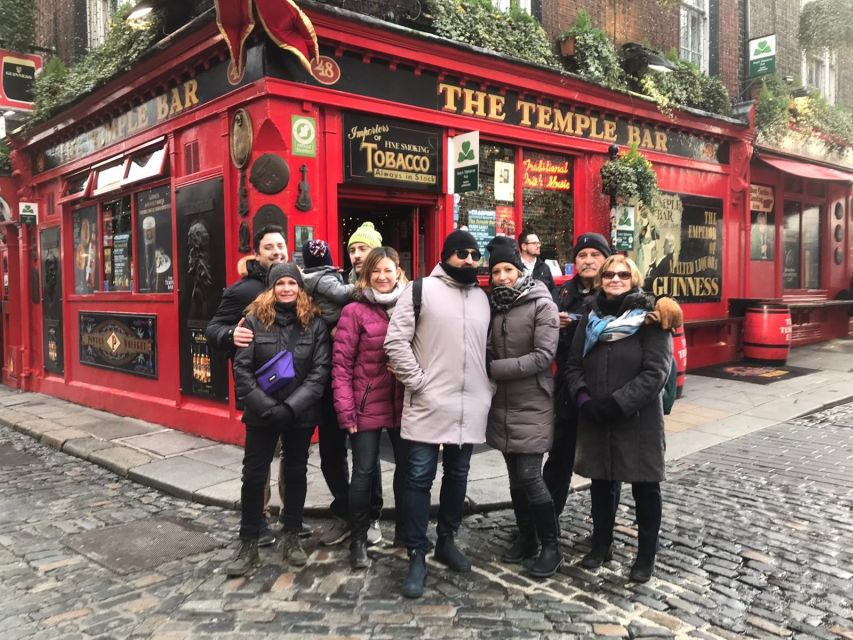
Two of Dublin’s most striking monuments sit close enough to make them feel like part of the same story: St Patrick’s Cathedral and Christ Church Cathedral. The tour focuses on the impressive facades, with your guide pointing out what to notice as you stand in front of them.
This approach works well for two reasons. First, facades are the fastest way to grasp a building’s character, especially when weather and crowds make long interior visits less appealing. Second, seeing both cathedrals in sequence helps you compare styles and understand how major religious institutions shaped public life in the capital.
Because entrance fees aren’t included, don’t plan on this being a full cathedral ticket day. Instead, treat it like an exterior architecture walk, where the guide’s explanations help you spot symbolism and design choices you might otherwise miss.
The tour is also intentionally balanced here. You’re moving away from politics at Dublin Castle and into the “spiritual and cultural center” of the city. That shift keeps your brain from glazing over, and it sets you up for the next stop, which swings toward a more social Dublin mood.
Temple Bar and the Ha’penny Bridge crossing: two sides of Dublin in one loop
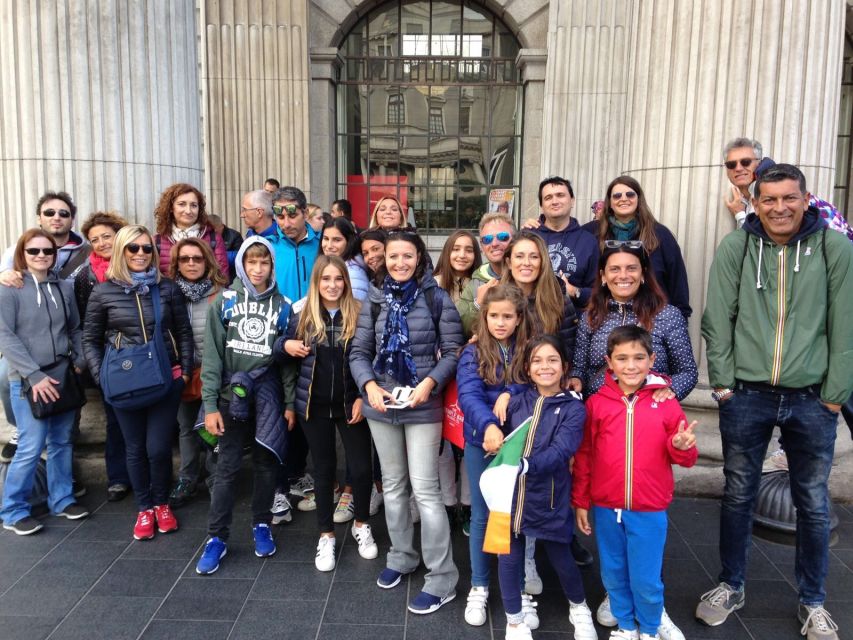
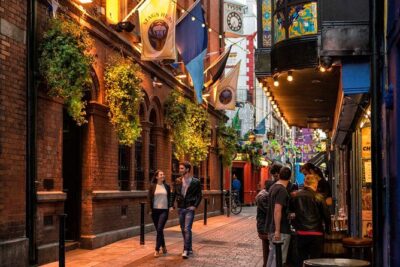
Then comes the part of Dublin that most people picture first: Temple Bar. This is the entertainment district, and the tour treats it as more than a postcard. You’ll get insider tips for things like where to eat and how to find live music or good pubs along the way.
Just be honest with yourself about the tradeoff. Temple Bar can be lively, and that means noise and crowds. If you love quiet street photography, it might help to arrive in a calm moment with your group and be flexible with timing.
From Temple Bar you cross the Liffey Bridge, locally known as the Ha’penny Bridge. This crossing is a highlight because it instantly changes the scene. Your guide uses the river as a historical dividing line, pointing out significant spots from the north side of the river.
You’ll also hear about the General Post Office area and the story of Georgian buildings in Dublin. One detail worth paying attention to is that the route is guiding you to buildings that are among the last of the Georgian era in the capital. That kind of detail gives you a sharper eye for what you see later on your own.






The GPO Museum area and ending at the Spire of Dublin

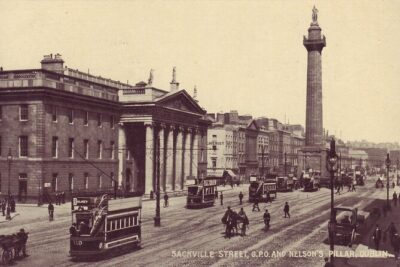
Near the end, the tour heads to the GPO Museum area and then finishes at the Spire of Dublin monument on O’Connell Street. The General Post Office is tied to major moments in Ireland’s modern history, and the guide’s explanation helps you connect the political dots you heard at Dublin Castle.
The Spire finish is a practical win. After hours of landmarks, you land somewhere that’s easy to recognize on your own, and it works like a clean “wrap up” point. From there, you can decide what to do next without needing a map as much.
If you want to keep the momentum going after the tour, watch how your guide talks about food and evenings out. The tour includes discounts tied to a few Dublin favorites, so the ending point is helpful for planning your next steps nearby.
Also, there’s an extra payoff at the end: you get the chance to book day trips from Dublin to major sights like Cliffs of Moher, Giant’s Causeway, Howth, Galway, Connemara, Cork, Blarney Castle, Belfast, and Newgrange, plus other options. That means the tour isn’t just a stand-alone history loop. It helps you build a multi-day plan.
Price and value: what $28 buys, plus included discounts

At $28 per person for a roughly 3 hour walking tour, the value depends on how you use the discounts and advice. The price is reasonable if you want a guided route through the city’s biggest “must-see” landmarks in one go.
What makes it better is that your tour includes practical savings:
- 15% discount at The Well Restaurant, Wallace Tavern, and the Irish Whiskey Museum
- 10% discount at Sfuso
- A special bundle at Caffè Cagliostro
Entrance fees are not included, but you can still do a lot without buying tickets on every stop. The guide’s job here is to interpret what you see and help you prioritize. If you plan one meal and one attraction afterward, the discounts can quickly soften the overall cost.
One more value point: the tour is in Italian, which is harder to find for high-demand Dublin routes. If you’re traveling as a group that prefers Italian, this can be a smarter pick than “anything in English” just to save money.
Who this Dublin Highlights walk is best for

This tour is a strong fit if you want structure. You get a planned sequence, from Trinity and Molly Malone to Dublin Castle, cathedrals, Temple Bar, the Ha’penny Bridge crossing, and then the GPO area and the Spire.
It’s also a good family option in the right hands. One review praises Melania for keeping storytelling fun and interesting, specifically noting her ability to engage an 8-year-old. That’s exactly what you want from a guide on a walking route, especially when attention spans vary.
You should also consider this tour if you want help choosing what to do after. The route is packed with insider tips for where to eat, where to listen for live music, and where to find good pubs, not just where to stand for photos.
Skip it if you need wheelchair access, since it’s listed as not suitable for wheelchair users. And plan around the basics: comfortable shoes are a must, and the tour recommends bringing sunglasses, a sun hat, and an umbrella.
Should you book this Italian Dublin highlights walking tour?

If you want a guided overview that helps you understand Dublin’s major eras, this is an easy yes. The route hits the city’s headline landmarks, and the guide’s storytelling style is clearly a strength, with praise for Melania and Michela V. for being informative and engaging.
Book it especially if:
- you want an Italian-speaking guide and a clear orientation walk
- you like history told through street-level stops, not lecture halls
- you want practical tips for meals, pubs, and live music after the tour
Think twice if:
- you dislike steady walking and standing around viewpoints
- you plan to rely on entrance tickets at major sites, since entrance fees are not included
If your goal is to get your bearings and start making smarter choices for the rest of your Dublin days, this is the kind of tour that pays off quickly.
More Tours in Dublin

More Tour Reviews in Dublin
Not for you? Here's more nearby things to do in Dublin we have reviewed


Dublin Walking Tours, compared.
 ★ 5.0Dublin Highlights and Hidden Gems Guided Walking TourFrom $296,020 reviews
 ★ 4.9Highlights and Hidden Gems Walking TourFrom $272,140 reviews
 ★ 5.01916 Rebellion Walking TourFrom $271,605 reviews
 ★ 5.090 Minute Dublin Walking tour and Sightseeing tipsFrom $21916 reviews
 ★ 5.02-Hour Historical Walking Tour from DublinFrom $22875 reviews
 ★ 4.7Historical 2-Hour Guided Walking Tour of DublinFrom $22865 reviews
 ★ 5.0Dublin Traditional Irish 3 Course Meal Walking Tour with LocalFrom $107755 reviews
 ★ 4.9Mythology, Folklore and Legends Walking TourFrom $27703 reviews
Browse the lists this tour appears in