

Reviewed · DUBLIN MUSEUM TOURS
Dublin: Irish Famine Exhibition Entry Ticket
Dublin turns painful history into a clear visit. I like the rare 19th century photos and how the story unfolds in step-by-step rooms with storyboards, newspapers, and letters. One drawback is the subject matter is heavy, so you need time to pause and reset.
Plan for at least an hour. The exhibition is on the 2nd floor of Stephens Green Shopping Centre, open daily from 12pm to 6pm, which makes it easy to slot into a day without rush.
Key highlights to know before you go
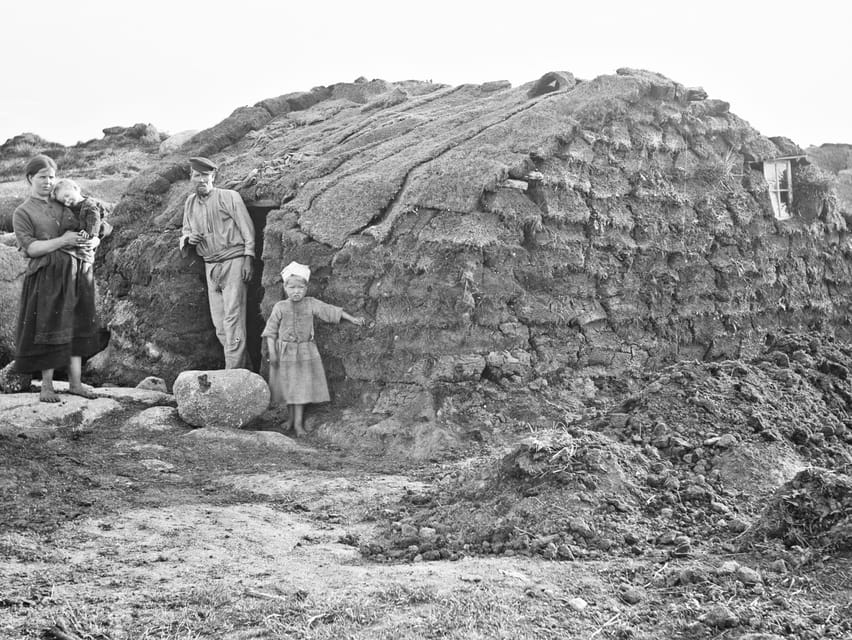
- Rare 19th-century photographs that show Ireland with a hard, human focus
- Storyboards in multiple rooms, built to follow the tragedy step by step
- Original artifacts including newspapers, personal letters, and a cast iron soup pot
- A 15-minute overview film with seating set aside right in the flow of the exhibit
- Translation manuals available in French, German, and Italian
Irish Famine Exhibition location inside Stephens Green
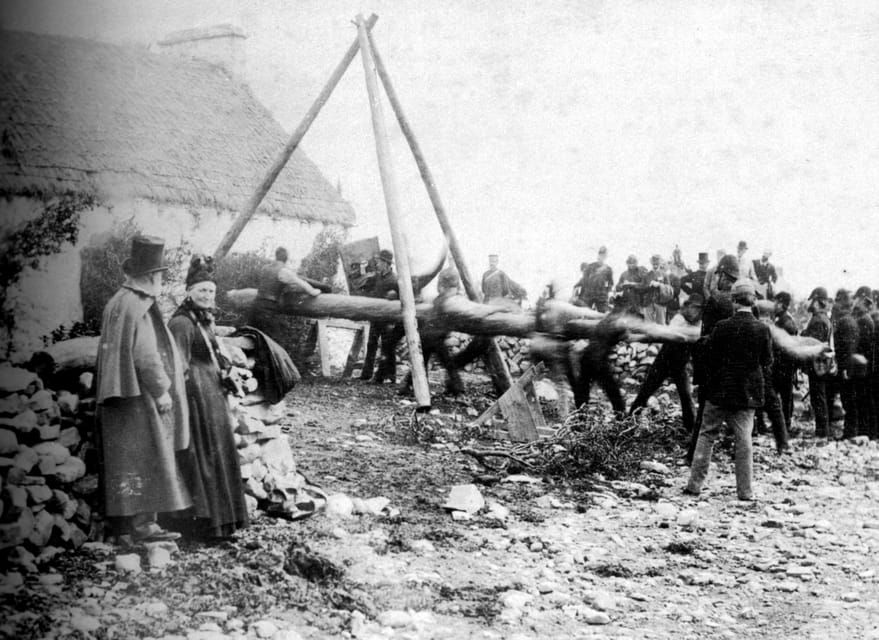
This ticket takes you to a compact museum stop with big emotional weight. The Irish Famine Exhibition is in unit 200b on the 2nd floor of Stephens Green Shopping Centre in central Dublin. If you enter from the main entrance off Grafton Street, go in, take the elevator on the right about 20 meters in, then head left on the 2nd floor. If you enter from the car park, it’s at the opposite end of the centre.
The reason I like this location for planning is simple, you can pair it with other central Dublin walking. You also get predictable hours, open every day from 12pm to 6pm. That means you can pick a time when you are mentally ready, not just when your tour schedule forces it.
One more practical note: this is an indoor, self-paced layout. You are not waiting on a bus group, so you can come, take your time, and leave when you’ve processed what you need.
A few more Dublin tours and experiences worth a look


A smooth, self-paced loop through storyboards
When I say self-paced, I mean you’ll walk room to room and read at your speed. The exhibit uses storyboards to explain what happened in an easy to follow sequence. You are not bombarded with long paragraphs in one spot. Instead, you get a gradual progression, with each room focused on a different piece of the larger story.
The physical layout is also thoughtful. There’s a bench in each room, so you can stop and actually look. Even if you prefer standing, the seating helps you slow down. This matters because the information is intense. You’ll want a moment to let a newspaper clipping or a letter land before moving to the next scene.
How long should you plan? The visit is designed so that about an hour works well for most people, and that matches what you’ll feel as you move through the rooms. If you’re the type who reads every caption and sits for the film, give yourself more than an hour. If you’re short on time, you can still get the core story without turning it into a race.
The Famine story is framed as a question, not just a label
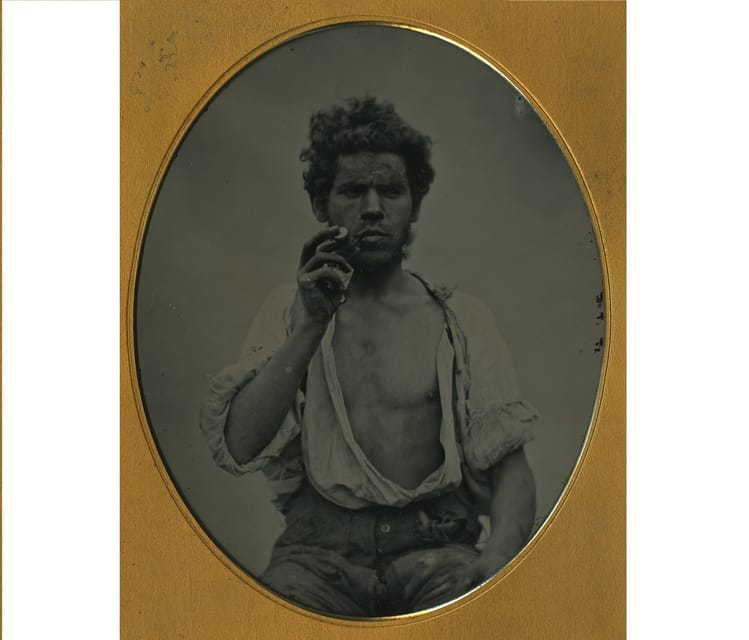
The Irish Potato Famine is presented as the most catastrophic event in Ireland’s turbulent history. It’s also often called one of the worst famines in history, measured by deaths as a proportion of the population. But the exhibit also flags a key debate: whether the word famine fits perfectly, because Ireland was part of the British Empire and there was enough food in the country during those years.
That angle changes how you experience the exhibition. Instead of treating this as an inevitable natural disaster, the display pushes a tougher question: if food existed, how could over a million people die from starvation and disease, and why did millions need to flee?
As you move through the rooms, the topics are blunt and specific. You’ll run into themes like workhouses, evictions, coffin ships, and disease. The exhibit is not trying to soften the facts. It’s trying to explain the chain of consequences, and it keeps the focus on the human impact.
This is also why you should think about the timing of your visit. If you plan this right after a joyful pub lunch, the emotional contrast can hit hard. Choose a time when you can handle heavy material, and when you’re not rushing to catch a train.
Original documents and objects, not just panels
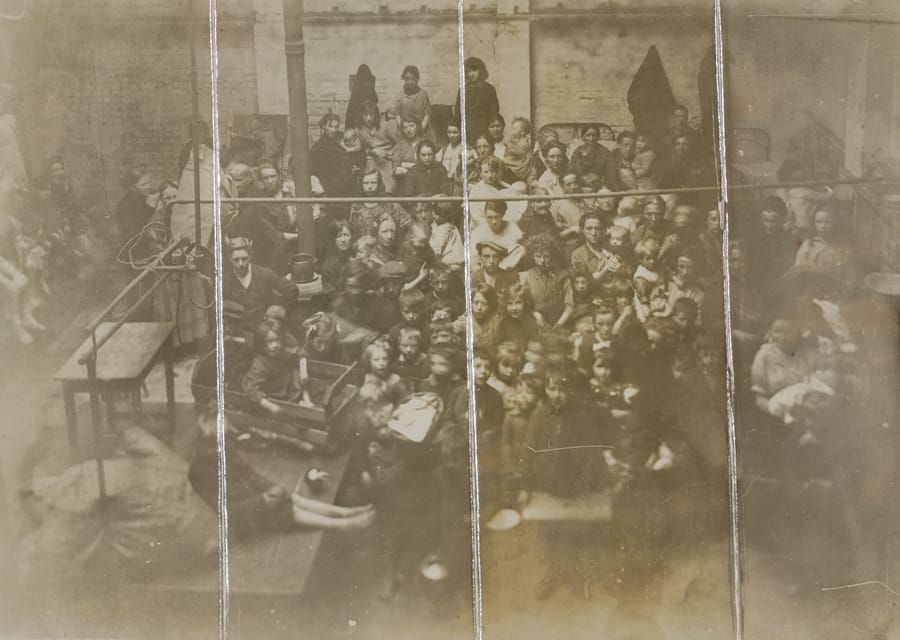
The strongest part of this exhibition is that it leans on original items. You can read the storyboards, but the room-to-room effect really clicks when you see artifacts up close.
You’ll encounter:
- Two original newspaper articles describing the catastrophe
- Two personal letters, one from a tenant to his landlord, and another from a father to his son
- An original cast iron soup pot, displayed as a physical reminder of daily life and survival
These objects do something panels can’t always do. A letter is private language. A newspaper is public language. Together they show the same crisis from two directions, what people were experiencing at home and what was being written and circulated in public.
I also like the soup pot detail because it’s so grounded. It’s not a dramatic prop. It’s a practical object, and it quietly signals that this was about meals, scarcity, and whether families could get by day to day. Pair that with the letters, and you get a clearer sense of what hunger does to ordinary routines.
If you’re wondering whether the exhibit is respectful, the best sign is that it doesn’t turn suffering into spectacle. It keeps returning to real evidence, and it gives you space to sit with it.
Films, benches, and the rhythm of the visit
Right in the middle of the experience is a 15-minute overview film. The exhibit includes seating specifically for it, so you’re not hunting around for a screen or standing in a crowd. You can fit it anytime during your walk, but it often works best after you’ve seen a couple of rooms, so you have the context the film ties together.
The film is short on purpose. That matters for this kind of subject. A long documentary can feel exhausting and emotionally blunt. Fifteen minutes gives you a structured recap without turning your visit into a marathon.
And because there are benches in the rooms, the rhythm stays human. You can read, sit, watch, then move on. You’re not forced into a single pace. This is the kind of design that makes a difficult exhibit more usable for real people with real attention spans.






Translation support for a smoother, deeper read
The ticket includes a translation manual. It’s available in French, German, Italian, and French is also listed again in the included details, so at minimum you can expect those language options. The practical value here is that you don’t have to hunt for an audio guide, or try to decode every caption.
If you’re comfortable in English, you can still benefit from the manual. When you’re reading emotional historical content, it helps to have an alternate reference so you don’t miss key words.
If you’re not comfortable in English, the manual keeps the pace fair. Instead of feeling lost, you can stay with the storyboards and move through the rooms without constantly stepping out to figure out what’s happening.
What the ticket does include, and what it does not
Your entry ticket includes:
- Admission to the Irish Famine Exhibition
- A translation manual in French, German, and Italian
What it does not include:
- The book and USB stick you can buy separately
That matters if you like to take more time with a subject after you leave. The exhibition is available for purchase at the Reception desk as a book and a USB stick. The USB format breaks the storyboards into film-style segments with mood music, and it includes the 15-minute overview film as well. So if you want a take-home version you can use later, plan on buying it separately.
I think this is a smart setup. The core ticket already gives you the full exhibition experience on-site. The extra formats are for people who want to revisit the material or share it.
Pricing and value in real terms
The price is $16 per person. For a single-location, self-paced exhibition with original artifacts, storyboards across multiple rooms, and a built-in 15-minute film, that price feels reasonable.
Here’s why. You’re not paying just for access to a screen or a few display cases. You’re paying for a curated walk through primary sources like newspaper articles and personal letters, plus interpretation through storyboards. The benches and the layout also suggest effort went into making the content readable and tolerable to experience in one visit.
If you compare it to other Dublin stops that charge similar amounts, this one has more “material to read and process” per square meter. The value comes from time well used, not from adding extra entertainment.
Just keep expectations realistic. This is not a light museum. You’ll get a strong educational experience, but it may take a toll emotionally. If you’re short on time or you want only upbeat sights today, you might not enjoy the vibe.
Who this fits best in Dublin, and who should skip it
This ticket fits best if you:
- Want a focused historical experience with primary sources
- Prefer self-paced visits with built-in places to sit
- Like understanding the story as a sequence, not one random wall of facts
- Are traveling with someone who wants depth over quick photo ops
It might be less satisfying if you’re looking for hands-on activities or a purely visual, casual outing. This exhibition is built for reading, watching a short film, and absorbing written records.
It also helps if you’re okay with controversy. The exhibit flags that the word famine is debated in this context. If that kind of framing will frustrate you, you might feel the tension more than you’d like. If you enjoy learning how definitions and politics can shape historical interpretation, this will likely feel worth your time.
Planning tips so you get the most out of your hour
You don’t need special planning tricks, but you do want the right mindset.
First, give yourself at least one hour. That’s long enough to walk the rooms, read what’s in front of you, and sit down at least once. If you think you’ll rush, add 20 to 30 minutes. The layout encourages you to slow down, and rushing can make you skim the key artifacts.
Second, consider the language manual before you enter. If you plan to use French, German, or Italian, skim the format so you don’t get stuck flipping through it at the first letter.
Third, take the breaks the exhibit offers you. The benches are there for a reason. Use them. Let your brain do the processing.
Finally, be mindful of your energy level. This is a heavy topic covering starvation, disease, evictions, workhouses, and coffin ships. You can still have a meaningful visit, just treat it like a focused appointment, not a quick stop between shops.
Should you book this Dublin Irish Famine Exhibition ticket?
Yes, book it if you want an evidence-based, self-paced way to understand the Irish Potato Famine and the debate around how we label it. The best reason is the combination of step-by-step storyboards with original newspapers and letters, plus the concrete touch of a cast iron soup pot. Add in the short overview film and built-in seating, and you get a full story without needing outside context.
Skip it if you’re looking for something light or if heavy historical material will derail your mood for the rest of the day. Also skip or reconsider if you’re time-poor, because this one is designed to work best when you actually sit with what you’re reading.
If you can handle serious history with care, this ticket is a strong value way to add depth to a Dublin visit.
FAQ
Where is the Irish Famine Exhibition in Dublin?
It’s located in unit 200b on the 2nd floor of Stephens Green Shopping Centre in Dublin County, Ireland.
What are the opening hours?
The exhibition is open every day from 12pm to 6pm.
How long should I plan to visit?
Allow at least one hour for your visit.
Is the exhibition wheelchair accessible?
Yes, the activity is wheelchair accessible.
How much does the ticket cost?
The price is $16 per person.
What is included with the entry ticket?
Entry to the Irish Famine Exhibition is included, along with a translation manual in French, German, and Italian.
What is not included with the ticket?
The book and USB stick are not included, but you can buy them separately at the Reception desk.
Is there free cancellation?
Yes, free cancellation is available up to 24 hours in advance for a full refund.
How long is the ticket valid?
The ticket is valid for 180 days. You should check availability to see starting times.
More Tickets in Dublin



More Tour Reviews in Dublin


Not for you? Here's more nearby things to do in Dublin we have reviewed


Dublin Museum Tours, compared.
 ★ 5.0Irish Rock ‘N’ Roll Museum Experience DublinFrom $266,112 reviews
 ★ 5.0The Little Museum of Dublin Famous Guided TourFrom $212,948 reviews
 ★ 4.5Dublin EPIC Museum Admission TicketFrom $251,729 reviews
 ★ 5.0Giant’s Causeway with the Titanic Exhibition and the best of Northern IrelandFrom $1021,122 reviews
 ★ 4.6Irish Whiskey Museum Tour and Whiskey TastingFrom $22999 reviews
 ★ 4.6EPIC Museum Entrance TicketFrom $24816 reviews
 ★ 5.0Irish Whiskey Museum: Whiskey Blending ExperienceFrom $44577 reviews
 ★ 4.8Jeanie Johnston Tall Ship Irish Famine History TourFrom $16431 reviews
Browse the lists this tour appears in