
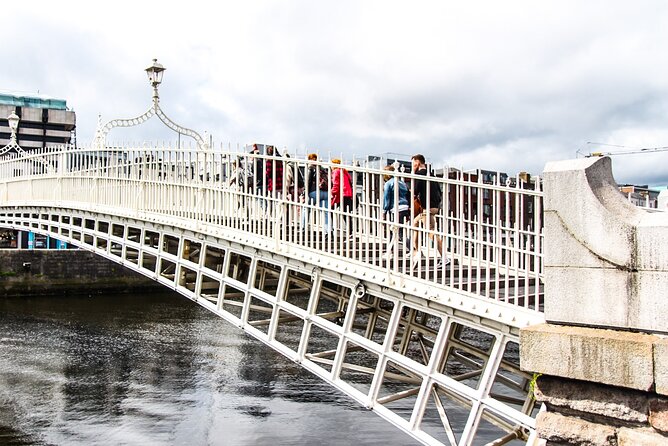
Reviewed · DUBLIN CITY TOURS
The Dublin True Crime Tour
Dublin gets dark fast. This true-crime walking tour turns central Dublin landmarks into stories about theft, murder, and punishment, all for a very low price. I especially liked the small group size, which keeps the mood lively and lets the guide answer questions.
The one thing to keep in mind is the pace. You get quick hits at each site, so if you want long museum-style time inside buildings, this won’t be that kind of tour.
Key highlights in plain terms
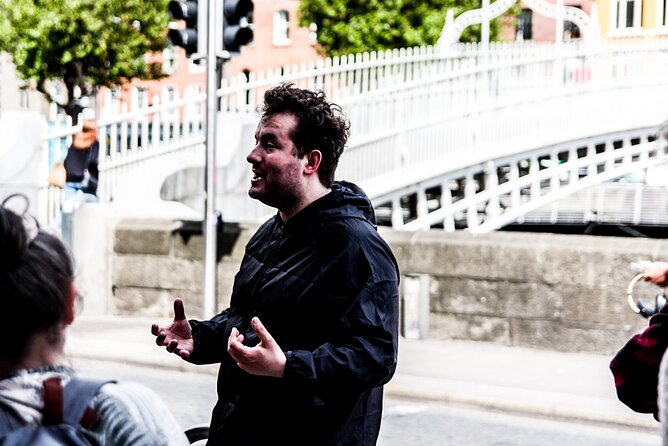
- Small group cap of 19 keeps the walk feeling personal
- Mostly free-entry stops mean you pay for the guide, not tickets
- English-language tour with a focused crime-and-punishment theme
- A tight 2-hour loop centered on famous central landmarks
- Several neighborhoods in one walk so you see more than one Dublin zone
Starting at College Green, Temple Bar, for a fast start
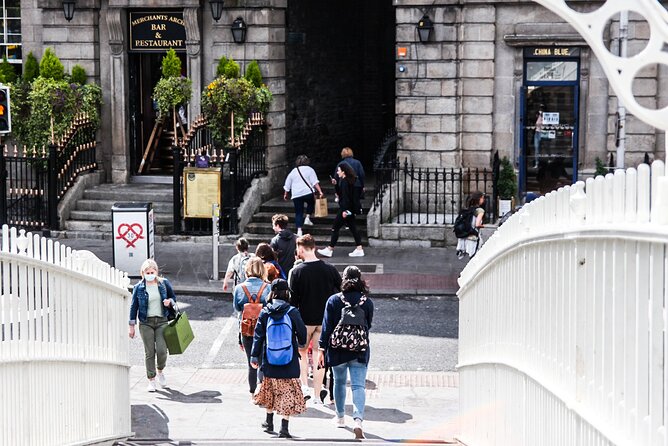
Your tour kicks off at 1 College Green, Temple Bar, Dublin (D02 YT92). It is scheduled to begin at 4:00 pm, and it ends at St Audoen’s Catholic Church on High St, Merchants Quay. That end point matters, because you finish near a different part of the old city, which makes it easier to keep exploring on foot after the tour.
I like tours that start in a landmark-heavy area, and this one does that. You are in the middle of Dublin’s most walkable sights, so you spend less time figuring out where to go and more time listening. It also helps you line up dinner plans afterward without the whole day being eaten by logistics.
The tour runs about 2 hours and is led in English, so you get a clear, steady story rhythm without long breaks. With a maximum of 19 people, the group stays tight, which usually means better attention from the guide and a more conversational vibe.
You can also read our reviews of more tours and experiences in Dublin.



Bank of Ireland, the heist story, and why it hooks you early
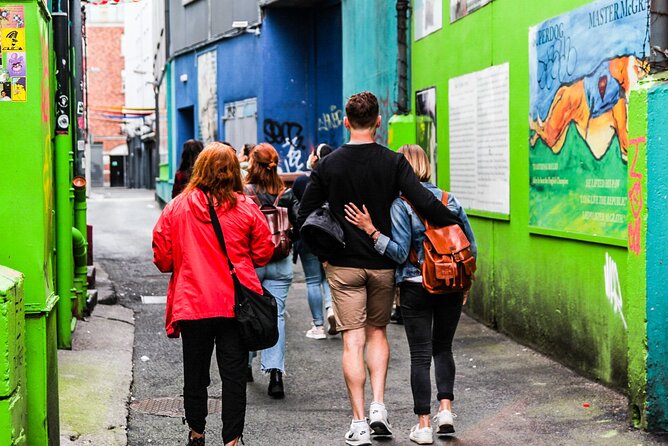
The first stop is the Bank of Ireland. Here, you hear the tale of Ireland’s biggest heist and the tiger kidnapping behind it. Whether you come for the crime angle or the Irish-history angle, starting with something headline-style is smart.
This is where the tour sets its tone. Instead of jumping straight to gore, it leans into intrigue and planning. You learn that crime is often about opportunity, disguise, and timing, not just the act itself. That makes the later stops more satisfying, because you start to see patterns in how people in the past moved through Dublin and where they thought they could get away with things.
A practical note: the stop is short, around 5 minutes. That is not a problem if you treat each location like a chapter heading. You are collecting the stories first, then letting the city fill in the details as you continue your walk.
Trinity College Dublin, old murders and how punishment worked
Next up is Trinity College Dublin. You’ll hear stories about old murders connected to the college and how the murderers were punished. Trinity is one of those places where you can easily picture history sitting still, but true crime snaps that feeling into motion. The stories turn the campus from a photo backdrop into a real setting for human fear and consequence.
What I like here is the angle on punishment. A lot of crime tours focus only on what happened. This one also points to the aftermath, which helps you understand how society responded at the time. Even when the story details are chilling, the takeaway is oddly useful: you see how justice was carried out, and how that shaped public behavior.
Again, the time is brief, about 5 minutes. If you are hoping for a long stop with lots of inside access, manage expectations. This tour is designed to maximize walking time, so each site is more like a guided snapshot than a full documentary stop.
Molly Malone statue, grave-robbers and courtesans in one stop
Then you reach the Molly Malone statue. This is where the tour gets more human and slightly stranger. You learn about graverobbers and courtesans of 18th-century Dublin. It is a clever change of pace, because these are not just high-profile events. They are also about the everyday underside of a city.
This stop also works well for first-time visitors. Molly Malone is familiar and central, so you quickly connect the story to a place you already recognize. From there, the tour keeps reminding you that crime history includes the people society ignored, exploited, or feared.
The stop runs longer than some others, around 15 minutes. That extra time helps, because these topics can feel layered. If you like crime stories that include social context, this is likely the one that sticks with you most.
Dublin Castle, crown-jewel heists and the threat of real consequences
Dublin Castle is next, and this is a major anchor. You hear the tale of the Irish Crown Jewels heist and what kinds of punishment would have been doled out from this infamous location.
This is where the tour’s theme really clicks. When you stand near power, it becomes easier to understand why punishments were so severe. It is not just revenge. It is also public messaging. You can almost feel why a ruler would want the consequences to be memorable.
The stop is about 10 minutes. That is enough time for a clear story arc without turning the walk into a slow crawl. Still, because it is an important site, you might want to arrive ready to listen carefully. Castle history can get confusing fast, so let the guide do the sorting.





Dubh Linn Gardens, Veronica Guerin memorial and crime that felt modern
After that, you visit Dubh Linn Gardens. Here you see the Veronica Guerin memorial and you hear the story connected to a sneaky curator of the Chester Beatty.
This part is different in mood. Veronica Guerin is linked to modern-era crime reporting, and that shifts the energy from distant punishment to more recent fear and urgency. Even if your main interest is historical cases, it’s worth paying attention here. A good true-crime tour should show you that crime history is not sealed in the past. People still react, still investigate, and still mourn.
The Chester Beatty connection adds another layer, and it’s one of those details that makes the tour feel like more than a generic greatest-hits list. You’re learning how institutions and individuals can influence what gets preserved, studied, or exposed.
The stop is around 10 minutes. That length works well because it lets you look at what you’re seeing while still keeping the overall tour moving.
Christ Church Cathedral and the strange story of St Lawrence
Your last storytelling stop is Christ Church Cathedral. You’ll hear about the Hear of St. Lawrence and its postmortem adventures.
Yes, it is odd. That is why it’s effective. People come to crime tours expecting murders and thieves, but old legends and relic stories can feel like their own brand of mystery and danger. This stop adds variety without breaking the theme of the tour: intrigue, death, and what happens when objects or information outlive their owners.
The stop runs about 10 minutes. If you enjoy stories with a supernatural or legendary flavor mixed into crime history, this is a strong finale. It gives you something to chew on as you walk away, and it helps the tour end on a note that feels like Dublin, not just a list of offenses.
What you actually get from the tour format
This experience is priced at $16.90 per person and lasts about 2 hours. For that time, you are paying for a guided walk plus story-based access to multiple major landmarks. Most of the stops are marked as free in terms of admission for what you’re doing, which makes the tour feel like a low-cost way to get expert narration without adding extra ticket expenses.
The format is very “walk, listen, move.” Stops range roughly from 5 to 15 minutes, and that pacing is intentional. It keeps the stories flowing and prevents you from spending the whole afternoon standing still. It also means you can do this before a meal or after some daytime sightseeing, without feeling like you lost half a day.
The max group size of 19 is another value driver. In larger groups, guides often slow down, and questions get harder. Here, the smaller group makes it more likely you will feel included and not like you are just hearing information at the back of the crowd.
And since it’s near public transportation, you can make the logistics easy. You do not need to build a complicated plan around getting there and leaving.
Timing, weather, and how to plan your afternoon or evening
The tour runs at 4:00 pm. That time choice is practical, because you get a late-day city walk when the streets are still active. You also avoid the early-morning scramble.
One thing to plan around is weather. The experience requires good weather, and if it’s canceled due to poor weather you’ll be offered a different date or a full refund. Dublin can go from bright to drizzly quickly, so wear shoes you trust. This is a walking tour, and you want to focus on the stories, not your ankle comfort.
If you’re visiting with limited time, this is a good fit because it is short and centralized. If you’re on a longer visit, it also works as a warm-up, because it gives you a different lens for noticing details in the city after the tour ends.
Who this tour suits best (and who should adjust expectations)
This tour is a great match if you enjoy true crime told through real places. You like connecting stories to streets, buildings, and institutions. You also probably enjoy the social side of crime history, like the overlap between power, punishment, and the people living on the margins.
It’s also a solid choice if you’re a first-timer in Dublin and want a guided way to see several landmarks without spending hours researching each one. The walk format helps you “get your bearings fast” while still learning something different from the standard sightseeing script.
The main expectation to set is the structure: you get quick stops, not long interior visits or slow, in-depth lectures. If your idea of a true-crime tour is lots of Victorian-era detail, you might find that the tour’s sites and time periods feel mixed and site-driven. In other words, it is more about place-based storytelling than one single time period.
Should you book the Dublin True Crime Tour?
If you want a low-cost, small-group, guided walk through central Dublin with chilling crime stories tied to recognizable landmarks, I think this is an easy yes. The price for a 2-hour guided experience is fair, and the free-entry style stops help the tour feel efficient.
Book it if you like your history with sharp edges and you are happy with a fast pace. Skip it only if you want long indoor museum time, or you need one narrow slice of crime history. For most people who like a good story while walking, it’s a fun, practical way to see Dublin with a darker twist.
FAQ
How long is the Dublin True Crime Tour?
It runs for approximately 2 hours.
What is the meeting point and the end point?
You start at 1 College Green, Temple Bar, Dublin (D02 YT92). The tour ends at St Audoen’s Catholic Church, High St, Merchants Quay, Dublin.
What time does the tour start?
The start time is 4:00 pm.
Is the tour offered in English?
Yes, it is offered in English.
Do I get a mobile ticket?
Yes, the tour includes a mobile ticket.
What is the group size limit?
The tour has a maximum of 19 travelers.
More Tours in Dublin
More Tour Reviews in Dublin
Not for you? Here's more nearby things to do in Dublin we have reviewed


Dublin City Tours, compared.
 ★ 5.0Dublin to Cliffs of Moher, including Wild Atlantic Way and GalwayFrom $9023,331 reviews
 ★ 4.8From Dublin: Cliffs of Moher, Burren & Galway City Day TourFrom $8918,888 reviews
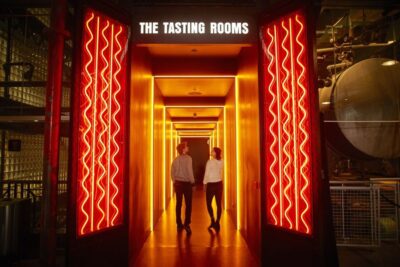 ★ 4.6Guinness Storehouse Entry TicketFrom $3416,863 reviews
 ★ 5.0Dublin to Cliffs of Moher, Burren, Wild Atlantic Way, Galway TourFrom $9412,924 reviews
 ★ 4.8Giants Causeway, Dark Hedges, Dunluce & Belfast TourFrom $1128,843 reviews
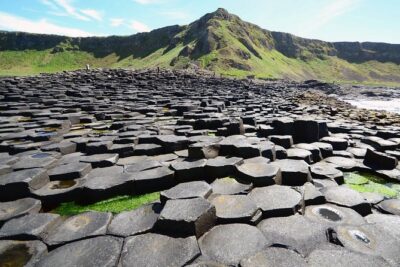 ★ 5.0Dublin to Belfast Black Cab, Dunluce Castle and Giant’s CausewayFrom $967,954 reviews
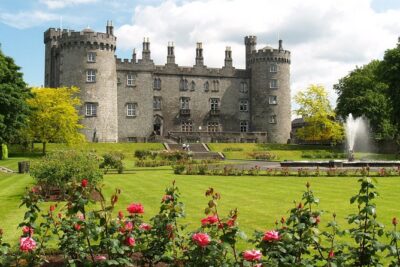 ★ 5.0Kilkenny, Wicklow Mountains & Glendalough Day Tour from DublinFrom $487,897 reviews
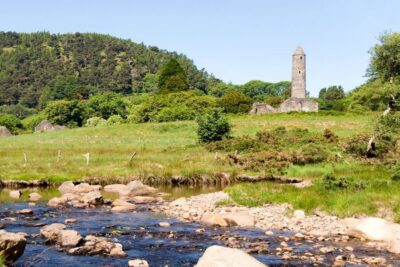 ★ 4.8From Dublin: Wicklow Mountains, Glendalough & Kilkenny TourFrom $456,235 reviews