
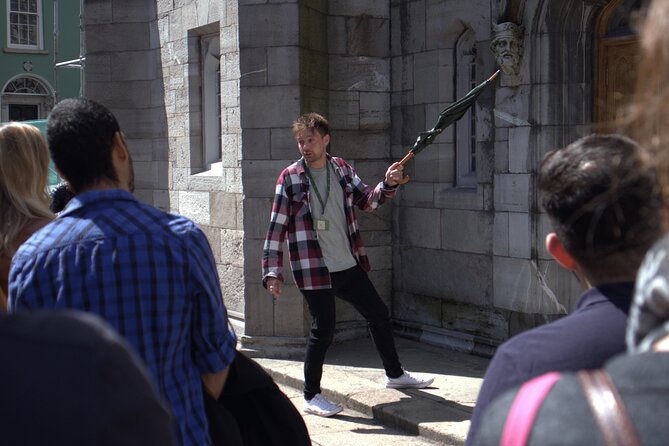
Dublin opens one story at a time.
Walk the Georgian squares, read the Long Room, pull a pint above St James’s Gate, then choose a road west. We compare the city tours and the long days beyond it.
Seven strong ways into the city.
Start with the bookings that explain Dublin properly: its books and rebellion, brewing and whiskey, streets and river, with a guide who knows which detail changes the whole story.

From Dublin: Cliffs of Moher, Burren & Galway City Day Tour
Cliffs of Moher, Burren and Galway in one long day from Dublin. Air-conditioned coach, 2 hours at the cliffs, plus Galway time.
From $89 per person
Read the review →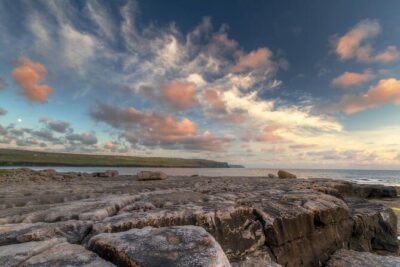 ★ 5.0Dublin stapleDublin to Cliffs of Moher, Burren, Wild Atlantic Way, Galway TourFrom $9412,924 reviews
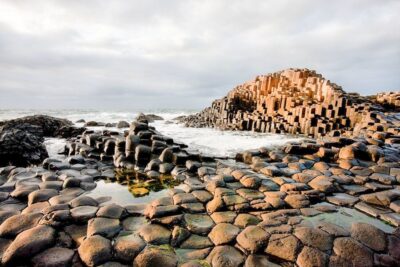 ★ 4.8Books out earlyGiants Causeway, Dark Hedges, Dunluce & Belfast TourFrom $1128,843 reviews
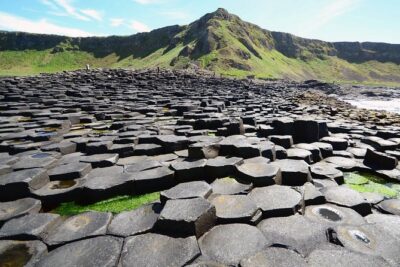 ★ 5.0Worth the walkDublin to Belfast Black Cab, Dunluce Castle and Giant’s CausewayFrom $967,954 reviews
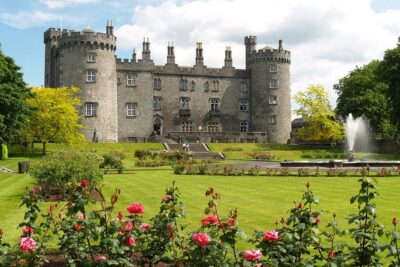
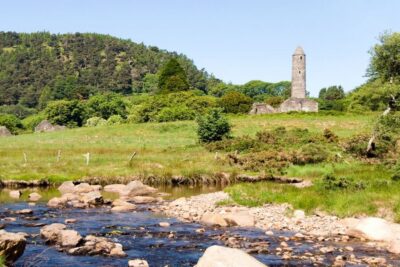 ★ 4.8Local storyFrom Dublin: Wicklow Mountains, Glendalough & Kilkenny TourFrom $456,235 reviews
 ★ 5.0Good first pickIrish Rock ‘N’ Roll Museum Experience DublinFrom $266,112 reviews
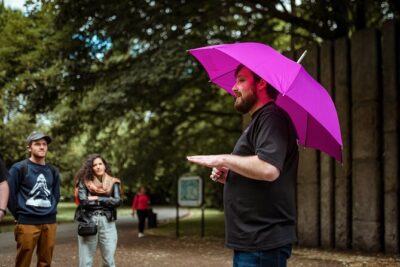
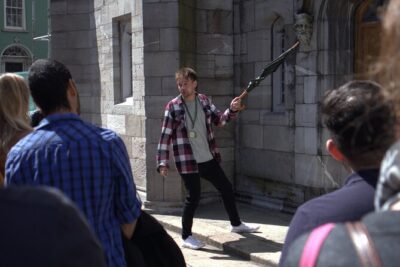 ★ 5.0Day well spentDublin Highlights and Hidden Gems Guided Walking TourFrom $296,020 reviews
The country ends in a wall of sea.
A Cliffs of Moher day is long, but the road earns its place: limestone across the Burren, Galway streets if the route allows, then the Atlantic below the cliff edge. The itinerary matters more than the coach.
Which road out of Dublin fits your day?
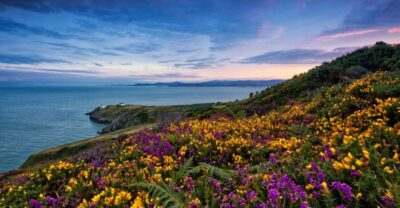
The Atlantic, the Wicklow hills and the Antrim coast ask for very different days. Pick the landscape first, then compare the routes, timing and prices behind it.
 Atlantic scale
The west-coast day
13 hours (approx.) · from $90 · 23,331 reviews
Choose this for the big landscape: the Burren, Galway on selected routes and the cliffs themselves. It is the longest day of the three, and the one where departure time and stop order matter most.
Compare the Cliffs routes →
Atlantic scale
The west-coast day
13 hours (approx.) · from $90 · 23,331 reviews
Choose this for the big landscape: the Burren, Galway on selected routes and the cliffs themselves. It is the longest day of the three, and the one where departure time and stop order matter most.
Compare the Cliffs routes →
 Mountains and monastery
The close-to-Dublin day
10 hours (approx.) · from $48 · 7,897 reviews
Glendalough gives you a round tower, two lakes and wooded paths without crossing the country. Add Wicklow scenery or Kilkenny when you want more road, or keep it small for time on foot.
See the Wicklow routes →
North to the basalt coast
The border-crossing day
12 hours · from $112 · 8,843 reviews
Belfast and the Giant’s Causeway can share one ambitious itinerary. Check how much time is spent in the city, whether the coast includes Dunluce or the Dark Hedges, and how early the return reaches Dublin.
Compare Belfast and Causeway trips →
Mountains and monastery
The close-to-Dublin day
10 hours (approx.) · from $48 · 7,897 reviews
Glendalough gives you a round tower, two lakes and wooded paths without crossing the country. Add Wicklow scenery or Kilkenny when you want more road, or keep it small for time on foot.
See the Wicklow routes →
North to the basalt coast
The border-crossing day
12 hours · from $112 · 8,843 reviews
Belfast and the Giant’s Causeway can share one ambitious itinerary. Check how much time is spent in the city, whether the coast includes Dunluce or the Dark Hedges, and how early the return reaches Dublin.
Compare Belfast and Causeway trips →

The city runs on its nights.
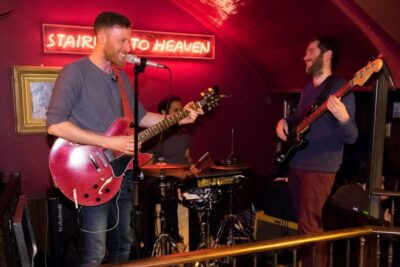
A trad session, a story told over a quiet pint, a ghost walk through older streets: Dublin after dark is best when someone can separate a living pub from a room staged for visitors.
Come for the table, stay for the tale.
Dublin food tours make sense when they connect the plate to the place: bakery counters, market stops, coddle, seafood and the people who kept a neighbourhood eating.



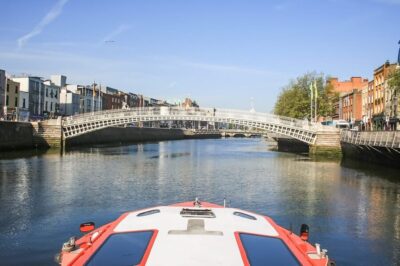
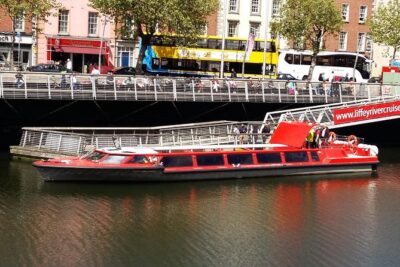
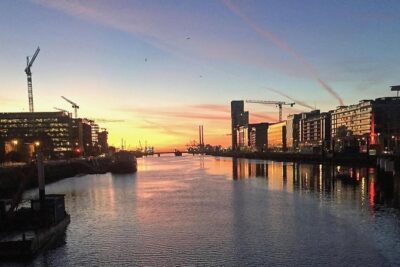
Two wheels or the Liffey.
Cycle the Georgian grid, follow the coast or step onto the river. These tours trade coach windows for Dublin at street and water level.
Old Dublin still answers.
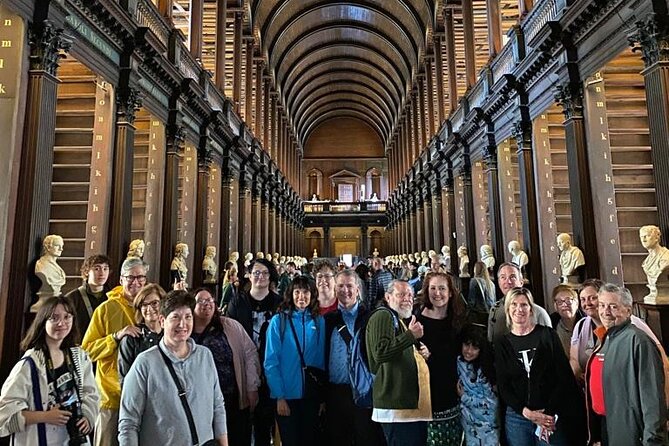
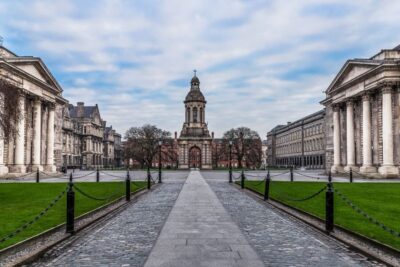
The Book of Kells, the Long Room, Dublin Castle and the streets that carried rebellion all reward context. Give the old city a guide and it stops being a sequence of handsome facades.
Pick your Dublin, day by day.
Dublin is compact enough to cross on foot, but its experiences fall into distinct worlds: books and state rooms, brewing and distilling, the bay, the old northside and roads beyond the M50.


Know what you’re after?
Twelve doors into the same city — pick the one that sounds like your kind of day and every option behind it is already reviewed and priced.


Six directions beyond the M50.
Dublin is the departure point for Atlantic cliffs, mountain lakes, coastal villages and cities across the island. These are full days; the right route decides how much of them you actually see.

Three days, done right.
Dublin rewards a simple rhythm: read the city, walk it, then take one road beyond it. This is the three-day sequence we would hand a friend arriving tomorrow.
 Day 1
Books, castle and old streets
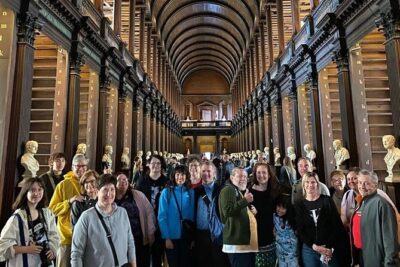
Start at Trinity and the Book of Kells, cross to Dublin Castle, then let a history walk connect the Georgian city to the medieval one.
Plan day one →
Day 2
Walk, pour and listen
Take the city on foot, choose Guinness or a whiskey distillery for the afternoon, then follow the music into a pub where the session matters more than the sign outside.
Plan day two →
Day 3
The Atlantic day
Leave early for the Burren and the Cliffs of Moher. Pick a route with the stops you actually want, then keep the next morning slow.
Plan the Cliffs day →
Day 1
Books, castle and old streets
Start at Trinity and the Book of Kells, cross to Dublin Castle, then let a history walk connect the Georgian city to the medieval one.
Plan day one →
Day 2
Walk, pour and listen
Take the city on foot, choose Guinness or a whiskey distillery for the afternoon, then follow the music into a pub where the session matters more than the sign outside.
Plan day two →
Day 3
The Atlantic day
Leave early for the Burren and the Cliffs of Moher. Pick a route with the stops you actually want, then keep the next morning slow.
Plan the Cliffs day →
The newest reviews from Dublin and beyond.
 ★ 5.0Cliffs of Moher and The Burren Private Tour from DublinFrom $1,4993 reviews
 ★ 5.0The True Dublin Experience: Private Irish Pub Culture TourFrom $2603 reviews
 ★ 5.0Dublin Full-Day Tour through Boyne ValleyFrom $1,0873 reviews
 ★ 4.5Rock Of Cashel And Blarney Castle Private Chauffeur Full Day Sightseeing TourFrom $1,7423 reviews
 ★ 5.02 Hours Senior’s Historical Private Walking Tour of DublinFrom $4473 reviews
 ★ 5.0Killarney: Private transfer to & from Dublin | Premium CarsFrom $1,0213 reviews
 ★ 5.0Private Dublin City tourFrom $9483 reviews
 ★ 5.0Waterford Crystal and Kilkenny Full-Day Rail Tour from DublinFrom $4633 reviews