
Reviewed · DUBLIN
Kildare: Irish National Stud & Gardens
Horse power in Kildare, close to Dublin. I love the stallions, mares, and foals viewing, and I also love the Irish Racehorse Experience where you can own a racehorse in a simulated auction. The only real drawback is timing, since the last entry is 5:00 PM and the interactive session runs 11:00 AM to 4:00 PM.
The public tour is led by a live guide, and named guides such as Sue and Amanda are highlighted for making the workings of the stud feel clear and practical. The tour itself is usually about an hour, then you can spread out through the grounds and gardens at your own pace.
Key things to know before you go

- Working farm views: Watch stallions, mares, and foals during your stroll through the stud areas.
- Guided public tour: You get a free tour with a live guide, with set tour start times during the day.
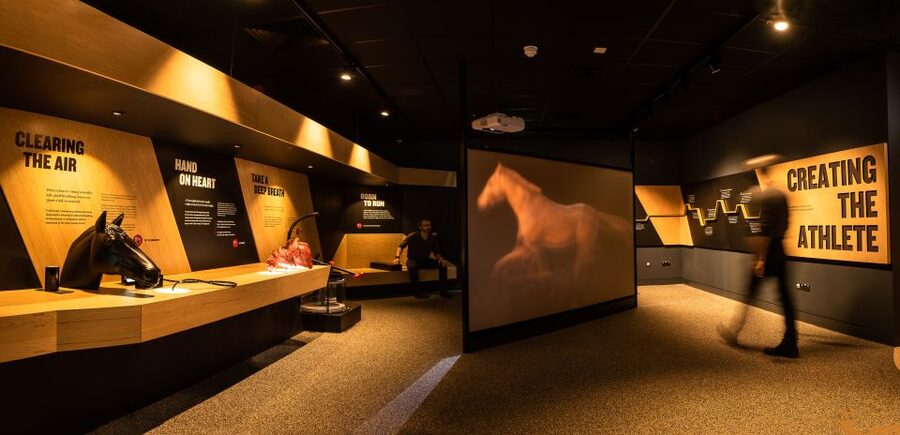
- Interactive Irish Racehorse Experience: A room-by-room journey from birth to retirement, plus a simulated race-day moment.
- Japanese Gardens reset: Calm gardens and a Life of Man path that traces a soul’s passage from birth to death and beyond.
- St Fiachra’s Garden outdoors: An Irish-themed garden with native species and Irish wildlife to spot.
- Living Legends room: Floor-to-ceiling windows overlooking retired racehorses as they graze.
Timing your day: public tour slots, racehorse experience hours, last entry
This is one of those places where the order matters, but you do not need a spreadsheet to enjoy it. The day runs on a schedule: you can choose a public tour time, then plan your time inside the racehorse experience zone and the gardens around it.
Here are the key timing anchors:
- Last entry is 5:00 PM.
- The Irish Racehorse Experience is open 11:00 AM to 4:00 PM.
- Public tour start times are 10:30, 12:00, 2:00, and 4:00 PM.
- In summer months, public tours include extra times, 1:00 PM and 3:00 PM.
- From October onward, tour times are 11:00 AM and 2:00 PM.
My practical advice is to pick a tour time that still gives you room for the interactive portion. If your tour is later in the day, you can still do it, but you have less buffer if you want extra garden time after.
Also, aim to arrive a bit ahead of your plan. One tip that comes up often is that the interactive experience gives you a chunk of time to walk around before and between elements, so you do not want to be sprinting between stops.
Stallions, mares, and foals: what the free public tour really gives you
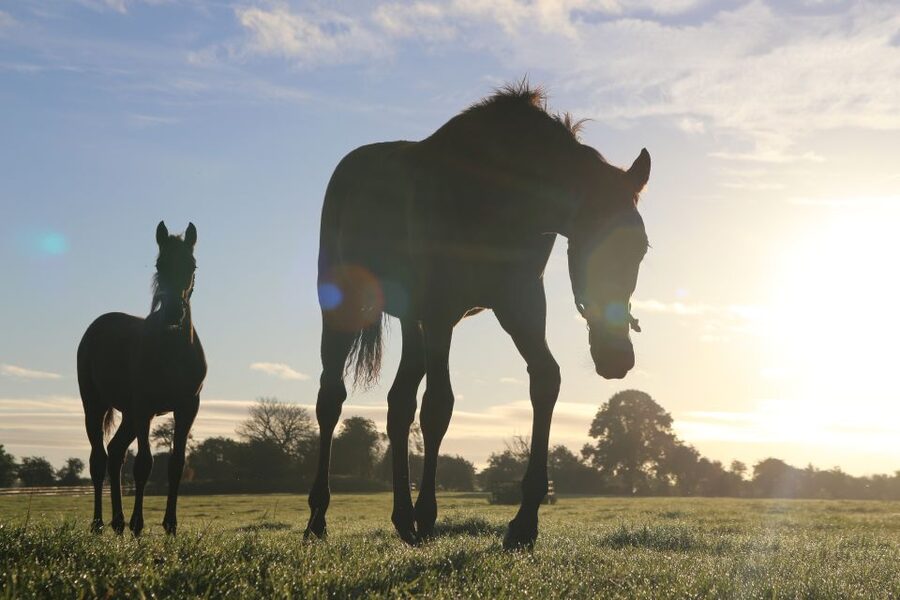
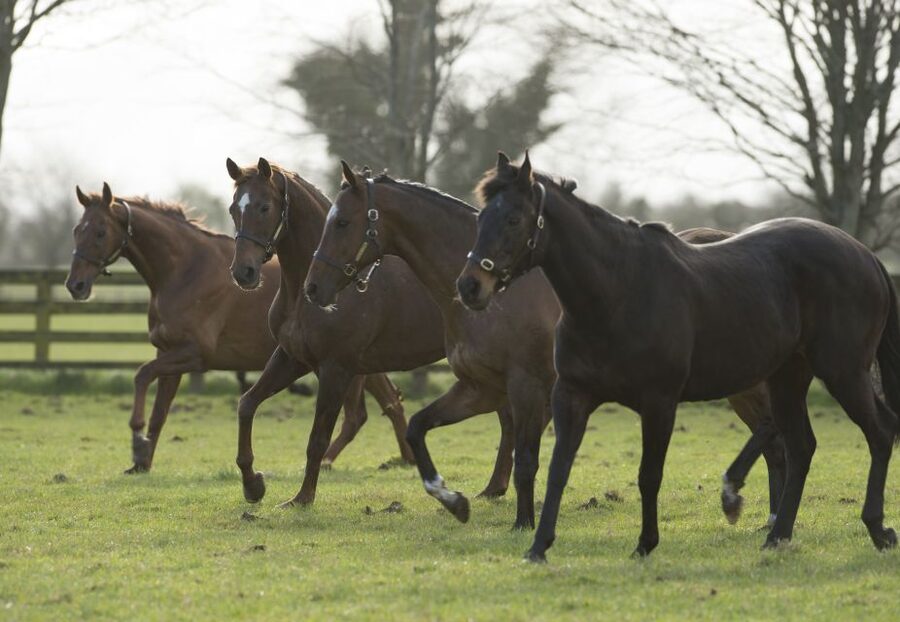
The star of the show is the stud itself, because you are not just looking at horses in theory. You’re walking a real breeding operation set on 850 acres of rolling green countryside, with immaculately bred stallions, protective mares, and foals that are easy to spot once you know where to focus.
On the free public tour, the guide helps you connect three things:
- How the stud works day to day
- How stallions and mares are managed
- How breeding plans connect to racing
That practical angle matters. You see horses, yes, but you also learn why some breeding choices are made and what the goals look like from foal to athlete. One of the most praised parts of the day is exactly that, the tour feeling informative and grounded, not just a quick walk-and-point.
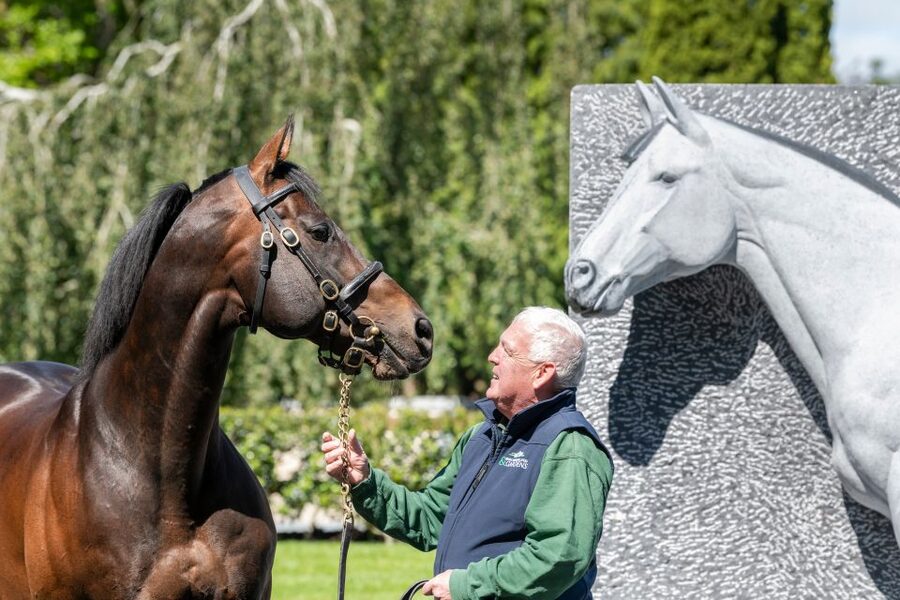
Expect the tour to cover the stallions and foals areas and to move you through key points of the stud. In many cases, it lasts just over an hour, which is long enough for real questions, but short enough that you can stay flexible after.
If you want a list-style highlight of who you might recognize, the ticket mentions retired racing stars such as Hurricane Fly, Beef, Salmon, and Faugheen. The big win here is that these names are not only trivia, they show up as Living Legends you can meet later in the day.
The Interactive Irish Racehorse Experience: horse box to simulated race day
This is the part I consider the value booster. It turns the visit from sightseeing into a guided story you can touch. The experience is described as an award winning interactive Irish Racehorse Experience, and it’s structured like a journey through a racehorse’s life.
The arc goes like this:
- You start with what’s involved in foaling and the early years.
- Then you move into the broader story of thoroughbred development.
- Next comes an interactive auction where you can purchase an unbroken yearling.
- You go through beautifully appointed rooms covering training, racecourses, jockeys, and the anatomy and physiology of these athletes.
- There’s also a fun racing-style segment with fashion, betting, and animated commentary as your chosen horse is witnessed on race day.
- Finally, you get a chance to ride your horse in a simulated ride, showing how your investment plays out.
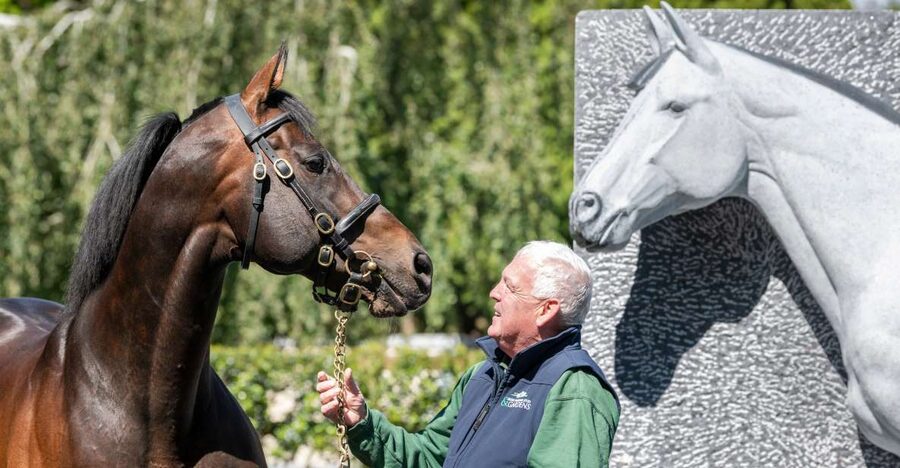
A detail I like because it makes the story feel personal is the “horse box” concept. You get something that gives you the feeling of owning a racehorse, without needing to know anything beforehand. It is a clever way to keep the momentum going after the outdoor paddock viewing.
One more timing note: the experience opens 11:00 AM to 4:00 PM. If you plan a later public tour, consider doing the interactive part first, then heading out to the gardens while you still have daylight and energy.
For families with kids
The interactive experience is not available for children under 7, unless they are accompanied by an adult. If you’re traveling with younger kids, you may want to frame the day as: horses and gardens outdoors first, interactive inside only if age requirements fit.
Japanese Gardens: a calm pause with the Life of Man path
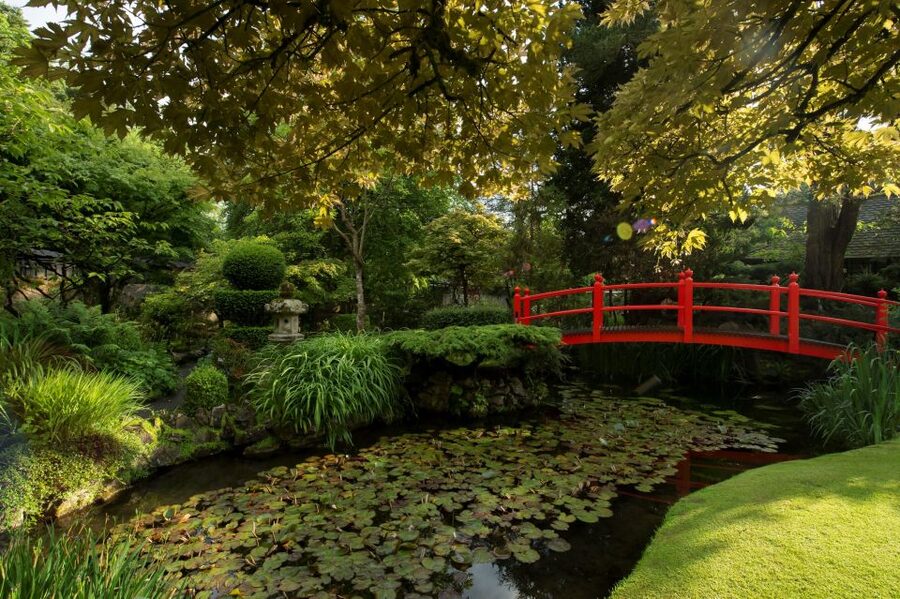
The Japanese Gardens are one of the clearest “change of gear” moments in the day. After the working stud energy, these gardens are meant for quiet walking and slower thinking.
You’ll find an oasis of calm here, plus the Life of Man path. That route traces the passage of a soul from birth to death and beyond. It’s not just pretty landscaping, it’s a designed walking experience with a narrative feel.
If you get even a little tired from being on your feet outdoors, this is where you can reset. Many visitors treat it as a breather, taking photos, reading the path cues at an easy pace, and then returning to the horses with fresh energy.
And yes, the Japanese Gardens are consistently praised. People call them beautiful, clean, and well kept, which matters because gardens are one of those things that can feel disappointing if they are neglected. Here, it’s clearly maintained.
St Fiachra’s Garden: Irish symbolism and wildlife spotting
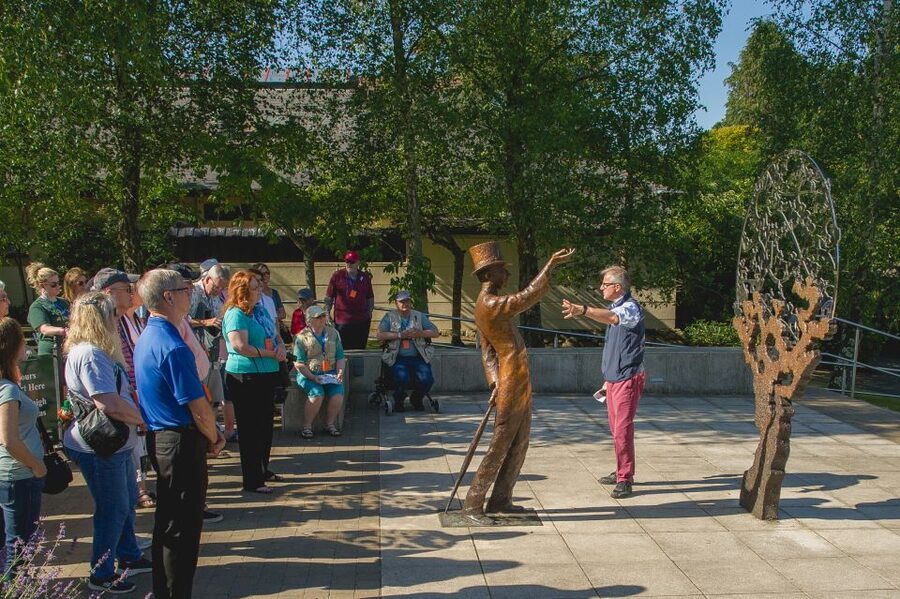
St Fiachra’s Garden is the Irish counterpoint to the Japanese space. It’s described as an inherently Irish garden that symbolises the power of the Irish countryside.
What I like about including this garden is that it changes your perspective. You’re not just moving from one themed attraction to another. You’re moving from a Japanese designed story to an Irish setting that connects to native species and local wildlife.
Keep your eyes open for native plants and Irish wildlife as you walk. It’s one of those add-on benefits that makes the outdoors feel more alive, even if you’re there mainly for horses.
Living Legends room: retired champions, global connections, big windows
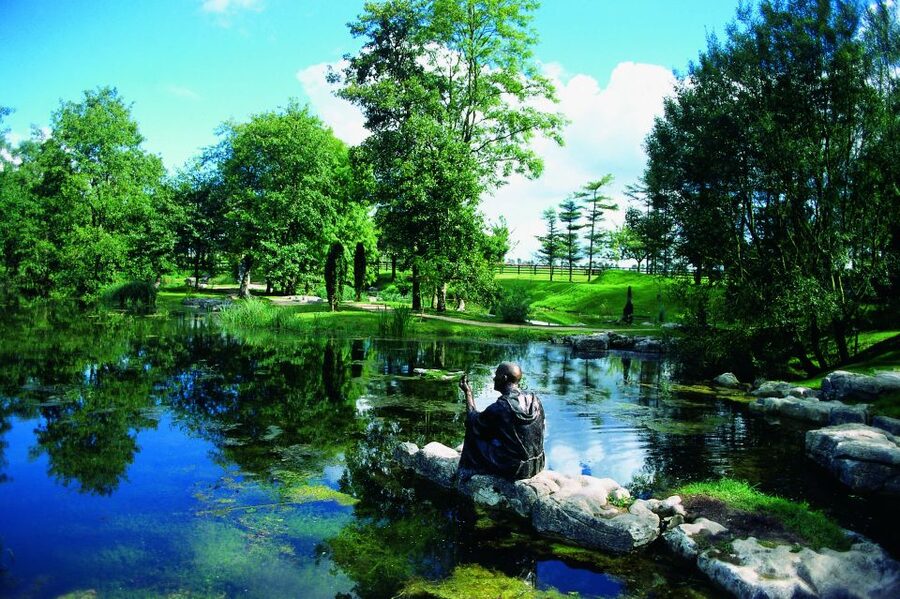
After the interactive story and your garden time, the Living Legends room brings everything back to the paddock level. This is where you get floor-to-ceiling windows overlooking retired racehorses as they graze.
The focus here is on life after racing. You can see how the story changes when the competition ends, and it gives context for why retired horses matter to the broader racing world.
The experience also talks about the diaspora of famous horses and people around the world, which can be a fascinating angle if you like the global side of racing. It’s not only an Irish story, it’s a worldwide network, and the room framing helps you feel that scale.
If you like a clean ending to a day trip, this room is it. It wraps the horses in a quiet, reflective setting rather than ending on a sprint back to the ticket desk.
Price and value: is $22 really enough for this much?
At $22 per person, this visit can feel like a bargain once you look at what the ticket includes.
You’re paying for:
- Entrance fees to the stud, gardens, and the Irish Racehorse Experience
- A public tour with a live guide (with set start times)
And you’re getting a full-day feel without needing to stack multiple paid attractions. Outdoor viewing of stallions, mares, and foals is the hook. The interactive experience is the substance. Then the Japanese Gardens and St Fiachra’s Garden give you the payoff of a relaxing walk, not just more indoor content.
One more value point is how flexible the day can be. You choose a tour time, then you can fill the rest of the day with gardens and the interactive experience. The day stays coherent, but you are not forced into a rigid minute-by-minute schedule.
Best time to visit: February to September, then plan for wind-down
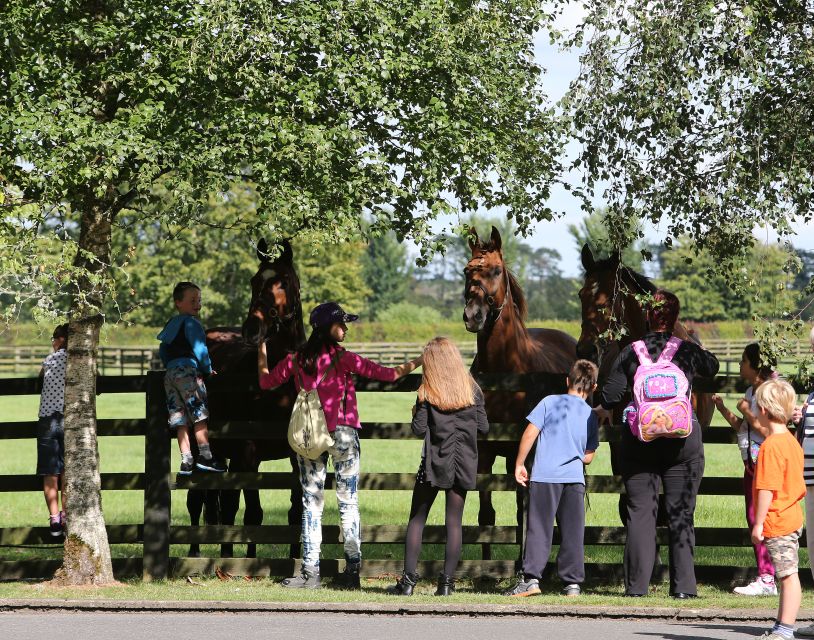
The best visiting window is listed as February to September. From October onwards, the stud starts to wind down and there is limited stock on the grounds.
That matters if you’re hoping for maximum horse visibility. If your travel dates land in autumn, you might still enjoy the gardens and the indoor interactive experience, but the outdoor horse focus could feel less intense.
If you can choose, go in the warmer months and use the extra public tour slots in summer to shape your day.
Who should book the Irish National Stud and Gardens?
This is an easy yes for:
- Horse lovers who want to see working thoroughbred breeding rather than a museum-style show
- People who like mixed days, horses outdoors plus guided learning plus gardens
- Families visiting Dublin who want a high-interest day trip about 40 minutes outside the city
- Anyone who enjoys interactive learning, because the Irish Racehorse Experience is hands-on and story driven
It might be less ideal if:
- You are traveling with very young kids, since the interactive experience is not available under 7 unless accompanied by an adult
- You hate schedule constraints. The last entry is 5:00 PM, and the interactive experience runs 11:00 AM to 4:00 PM, so you’ll want to plan instead of wandering until late.
And if weather is uncertain, take heart. Even when conditions are wet, part of the day is indoors and you can still keep moving from learning rooms to garden paths when the sky clears.
Should you book it?
If you want one ticket that delivers horses, stories, and gardens in a single day, I’d book it. The combination of a free guided tour, a genuinely interactive racehorse experience, and two distinct gardens makes this feel like more than just a “look at the horses” outing.
Book it if your travel style matches a calm walk plus a structured learning experience. Keep your schedule realistic around the racehorse experience hours and the 5:00 PM last entry, and you’ll finish the day with both memories and names you can carry into the rest of your Irish trip.
If your dates are in October or later, go anyway, just expect the outdoor portion to be quieter and rely more on the gardens and the indoor interactive rooms.
FAQ
Where is the Kildare Irish National Stud & Gardens located?
It is in County Kildare, Ireland, about 40 minutes outside Dublin.
What does the ticket cost?
The price is listed as $22 per person.
How long does the visit take?
The duration is 1 day, with different starting times depending on your chosen day.
What time is the last entry?
The last entry is at 5:00 PM.
When does the Irish Racehorse Experience open and close?
The Irish Racehorse Experience opens from 11:00 AM to 4:00 PM.
What are the public tour times?
Public tour times are listed as 10:30, 12:00, 2:00, and 4:00 PM. In summer months, there are extra times including 1:00 PM and 3:00 PM. From October onwards, tour times are 11:00 AM and 2:00 PM.
Is the Irish Racehorse Experience suitable for children?
It is not available for children under age 7 unless accompanied by an adult.
What is included in the ticket?
Included are entrance fees to the stud, gardens, and the Irish racehorse experience, plus a public tour with a live guide.
Is the venue wheelchair accessible?
Yes, it is listed as wheelchair accessible.
Is there free cancellation and pay later booking?
Yes. There is free cancellation up to 24 hours in advance for a full refund, and there is reserve now & pay later, meaning you can book and pay nothing today.